Electrical Safety at Home Becomes a Hidden Lifesaver When Proper Charger Use Is Taken Seriously Preventing Fires Damage

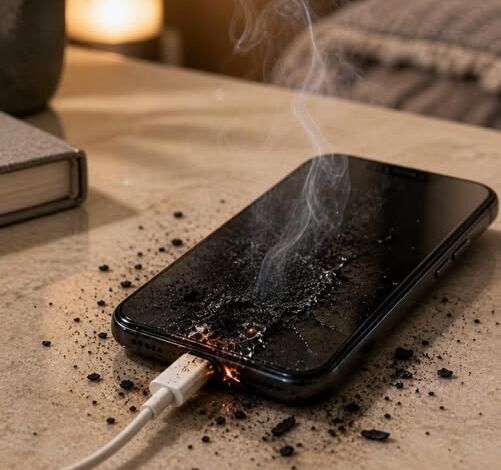
As smartphones, laptops, and portable devices become constant fixtures of daily life, safety experts are warning consumers not to overlook one of the most common household risks: low-quality chargers and damaged charging equipment.
While chargers are often treated as ordinary accessories, engineers note that every adapter performs a complex task — converting and regulating electrical power safely enough for sensitive electronics. Certified chargers are built with protective systems that manage voltage, current flow, and heat levels. Counterfeit or poorly manufactured products, however, may lack those safeguards, increasing the risk of overheating, electrical failure, device damage, or even house fires.
Consumer protection agencies have repeatedly cautioned against using unverified third-party chargers that imitate major brands without meeting established safety standards. Experts say the danger is often difficult to spot because unsafe products can appear nearly identical to legitimate ones.
Safety specialists also stress that chargers are only one part of a larger electrical chain. Frayed cables, exposed wiring, loose wall outlets, and overloaded power strips can all create hazards even when the charger itself is certified. Small preventive habits — such as replacing damaged cords, charging devices on hard and ventilated surfaces, and avoiding prolonged heavy use while plugged in — can significantly reduce risk.
Warning signs like unusually warm adapters, flickering outlets, buzzing sounds, or intermittent charging should never be ignored, according to electricians and fire safety officials.
As households rely on more connected devices than ever before, experts say charger safety ultimately comes down to consistent everyday decisions rather than alarm or panic. The goal, they emphasize, is not fear — but reducing avoidable risks in the systems people use every day.