Understanding Today’s Geopolitical Tensions—and Why They Don’t Automatically Signal World War

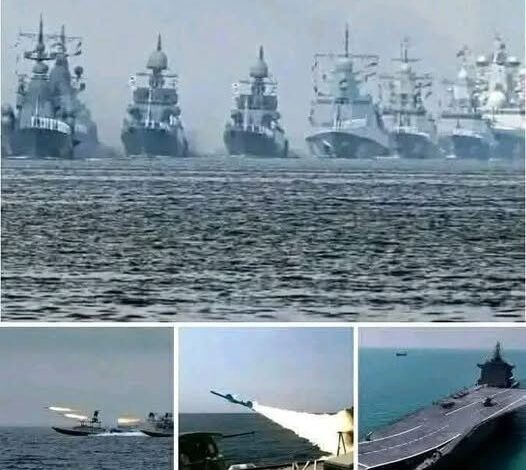
Scrolling through global headlines can make it feel like the world is on the edge of a major conflict. Ongoing tensions involving the United States, Russia, and other major powers—along with conflicts in regions such as Ukraine and the Middle East—often create a sense of escalating instability. However, international relations experts stress that high geopolitical tension does not automatically translate into an imminent world war.
In the case of Ukraine, the U.S. has primarily focused on indirect involvement through military aid, financial assistance, intelligence sharing, and coordinated sanctions alongside allies. Rather than deploying American troops into direct combat, this approach reflects a broader strategy of support without escalation into a direct U.S.–Russia war. Analysts note that this distinction is central to modern foreign policy: influencing outcomes and supporting partners while avoiding direct large-scale military confrontation between nuclear-armed states.
At the same time, diplomacy continues alongside deterrence. Even in periods of heightened tension, communication channels between rival powers are often maintained to reduce the risk of miscalculation or accidental escalation. Security experts describe this ongoing dialogue as a critical safeguard in a high-risk environment, helping manage crises while preventing localized conflicts from expanding into wider wars.