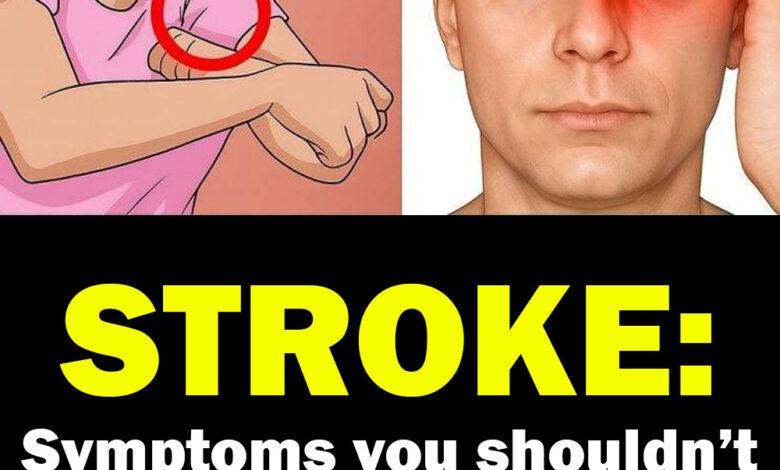
Medical experts note that while strokes are often perceived as sudden and unpredictable, the body can sometimes display brief warning signs in the hours, days, or even weeks beforehand.
These early symptoms may be subtle and short-lived, which can make them easy to overlook. They can include temporary numbness or weakness, brief episodes of slurred speech, sudden confusion, dizziness, vision disturbances, or unusual fatigue that resolves on its own.
Because these signs may disappear quickly, they are often dismissed as minor or unrelated issues—despite potentially signaling a more serious underlying problem.
Understanding a Transient Ischemic Attack (TIA)
One key warning event is a transient ischemic attack (TIA), sometimes referred to as a “mini-stroke.” A TIA occurs when blood flow to part of the brain is temporarily reduced or blocked, interrupting normal brain function for a short period.
Unlike a full stroke, a TIA does not typically cause permanent brain damage, and symptoms often resolve within minutes to hours. However, clinicians widely emphasize that it should be treated as a serious medical warning rather than a harmless episode.
A TIA can indicate an increased risk of a future stroke, particularly in the days and weeks following the event. For this reason, medical guidance consistently stresses the importance of immediate evaluation and follow-up care if such symptoms occur.
Health authorities, including the American Stroke Association, encourage individuals to seek emergency medical attention for any sudden neurological symptoms, even if they resolve quickly.
While not every brief episode leads to a stroke, doctors emphasize that early recognition and rapid treatment can significantly reduce the risk of long-term complications.