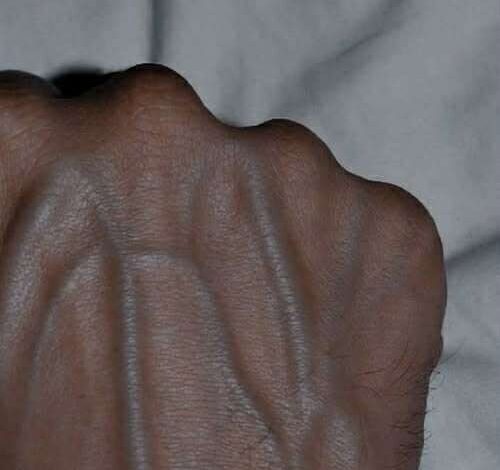
Visible veins are often a normal reflection of how the body changes and adapts, rather than a sign of illness. In many cases, factors such as lower body fat, thinner skin, increased physical activity, heat exposure, or even genetics can make veins appear more prominent. For a large number of people, this is simply a harmless variation in how circulation shows through the skin.
Health professionals note that exercise in particular can make veins more visible due to improved blood flow and reduced subcutaneous fat, especially in the arms and legs. In warm environments, veins may also dilate temporarily, becoming more noticeable without indicating any underlying problem.
However, experts emphasize that visible veins should be taken more seriously when they appear alongside additional symptoms. Pain, swelling, localized heat, redness, or unusual skin discoloration can signal an underlying vascular issue that may require medical evaluation. Other warning signs include numbness, persistent coldness in the extremities, slow-healing wounds, or ongoing throbbing discomfort.
The key distinction, specialists say, lies in context. Appearance alone is often harmless, but changes combined with discomfort or functional symptoms should not be ignored. Early assessment can help rule out conditions affecting circulation and prevent complications if an issue is present.
Ultimately, visible veins are usually just a normal variation in human physiology. But paying attention to how the body feels — not just how it looks — remains the most reliable way to distinguish between harmless changes and signs that warrant professional care.