Snakebite Risks Often Occur at Home, Experts Say Prevention and Rapid Response Are Critical

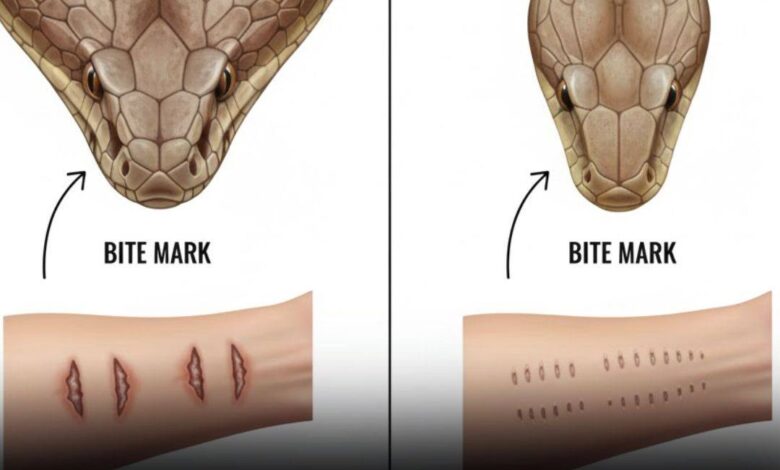
Snakebites frequently occur during routine outdoor activities such as hanging laundry, collecting firewood, or walking through long grass near sheds and gardens. In countries including Australia, thousands of bites are reported each year, often surprisingly close to residential homes.
Experts emphasize that while encounters can be sudden and alarming, panic is one of the greatest risks in these situations. Survival outcomes are typically determined less by the bite itself and more by how quickly and calmly individuals respond.
Preventative measures play a major role in reducing risk. Health and wildlife authorities recommend maintaining tidy outdoor areas, trimming dense vegetation, sealing gaps around homes and sheds, and controlling rodent populations that may attract snakes. Wearing protective clothing such as boots, long trousers, and gloves when working outdoors provides an additional layer of safety.
In the event of a bite, emergency response guidelines stress treating all bites as potentially venomous. The recommended approach includes keeping the person still, calling emergency services immediately, applying a firm pressure immobilisation bandage, and immobilising the affected limb. Importantly, the wound should not be washed, as traces of venom can assist medical identification and treatment.
Medical professionals note that prompt, correct first aid combined with rapid access to emergency care significantly improves outcomes. With awareness and preparedness, what can be a frightening and dangerous encounter is often made far more manageable.