Florida Traffic Stop Over Sticker Raises New Questions About Free Speech and Police Authority

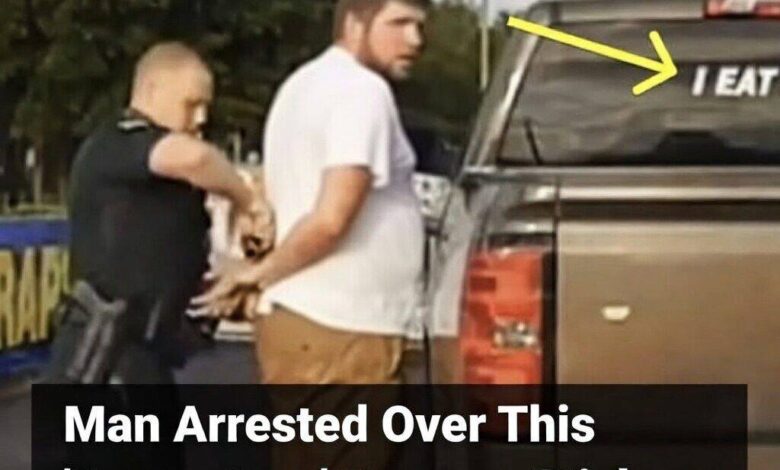
What began as a routine traffic stop in Lake City turned into a broader debate over free speech and the limits of police authority after a driver was reportedly detained over a sticker considered “offensive” by an officer.
The case involving Dillon Shane Webb has drawn renewed attention to concerns about how personal expression can become the focus of law enforcement action, even when no immediate public safety threat is involved.
According to reports, the stop escalated not because of a violent crime, stolen vehicle, or dangerous suspect, but because of a message displayed on Webb’s truck. Critics argue the incident reflects a troubling pattern in which speech perceived as offensive can, at times, be treated as if it were unlawful.
Debate Over Constitutional Protections
Although the charges against Webb were eventually dropped, civil liberties advocates say the incident still carried lasting consequences. Webb was detained, his vehicle was searched, and his information entered into law enforcement systems despite no violent offense being alleged.
The case has since become part of a wider national conversation about the balance between public authority and constitutional protections, particularly the right to free expression under the First Amendment.
Supporters of Webb argue that offensive speech alone is not grounds for criminal enforcement, warning that constitutional rights lose meaning if individuals can be punished before courts determine whether any law was actually broken.
The incident continues to resonate as debates over free speech, policing, and government authority remain at the center of public discussion across the United States.