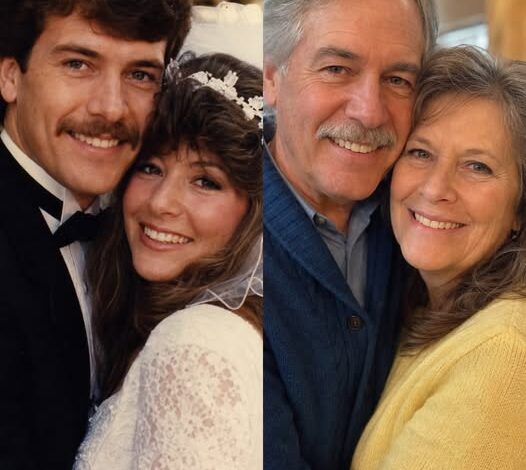
Richard’s choice to leave was shaped by the belief that he was protecting Julia. By casting himself as the villain, he assumed he was sparing her pain. But in doing so, he also removed something far more fragile and essential: her ability to know the truth and choose her place within it.
Relationship experts often note that even well-intentioned secrecy can create lasting harm. In this case, Richard’s silence didn’t prevent suffering—it redistributed it. Julia was left with an incomplete story, forced to interpret absence without explanation, and to live through years that no longer feel fully shared.
For Richard, the central question becomes whether protection is meaningful if it requires erasure. Trust in a long-term relationship is not only about faith in love, but faith in the other person’s right to participate in difficult truths. Allowing vulnerability, even when painful, can preserve shared reality more than withdrawal ever can.
For Julia, the path forward is less about assigning a single version of blame and more about rebuilding a coherent sense of self. Grief in situations like this is often layered: for the partner who left, for the story that was interrupted, and for the life that might have unfolded differently with honesty present. Healing may involve separating love from confusion and reclaiming ownership of her own narrative.
Ultimately, the story underscores a difficult but recurring truth in relationships: love without honesty can feel like protection in the moment, but over time, it can become its own form of loss—for both people involved.