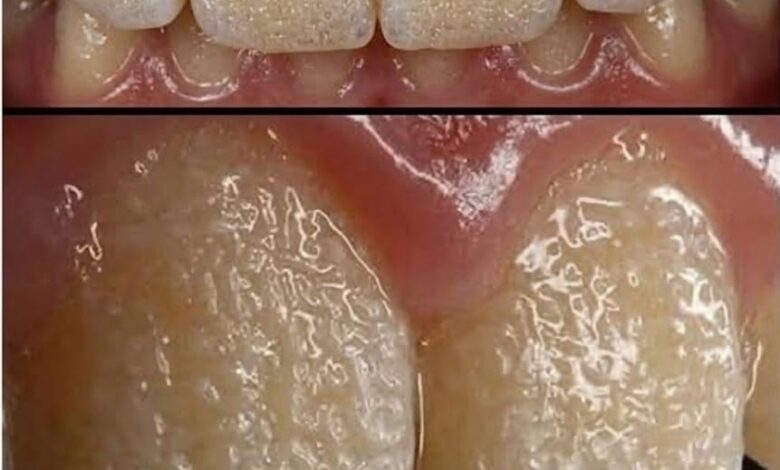
Brushing, flossing, and regular dental checkups are widely considered the foundation of good oral health. But for some people, diligent dental care is not enough to prevent discoloration, sensitivity, or unusually fragile teeth.
Experts say an often-overlooked condition known as Amelogenesis Imperfecta may be responsible. The rare inherited disorder affects the formation of tooth enamel, the protective outer layer that shields teeth from daily wear, temperature changes, and acidic foods.
Enamel is the hardest substance in the human body and plays a critical role in maintaining tooth strength and appearance. During childhood development, enamel forms through a complex biological process. In individuals with Amelogenesis Imperfecta, genetic mutations disrupt that process, causing enamel to develop improperly or in insufficient amounts.
As a result, affected teeth may appear yellow, brown, or unusually small, and can be highly sensitive to hot and cold temperatures. The weakened enamel also increases the risk of chipping, cracking, and excessive wear, even among people who maintain excellent oral hygiene habits.
Because the condition is genetic, it cannot be prevented through brushing or dietary changes alone. Dentists often diagnose the disorder based on clinical examination, family history, and dental imaging. Treatment varies depending on severity but may include protective crowns, bonding procedures, veneers, or other restorative options designed to preserve tooth structure and improve function.
Dental specialists emphasize that persistent tooth sensitivity, unusual enamel appearance, or recurring damage despite proper care should not be dismissed as routine cosmetic concerns. Early diagnosis can help patients protect their teeth, manage symptoms, and reduce the risk of long-term complications.
While Amelogenesis Imperfecta is relatively uncommon, awareness of the condition is growing as more patients seek answers for dental problems that cannot be explained by hygiene habits alone.