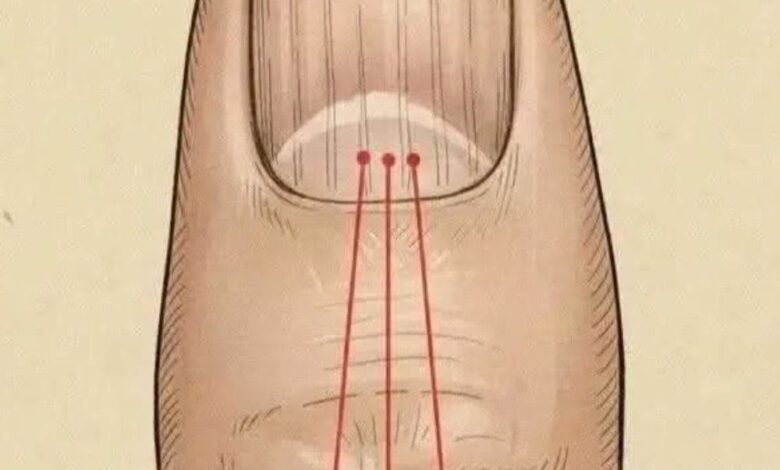
Nail ridges are often harmless, but they can sometimes provide subtle clues about changes happening inside the body. While many cases are simply part of normal aging, the appearance, direction, and accompanying symptoms can help determine whether they are worth a closer look.
Vertical ridges, which run from the cuticle to the tip of the nail, are the most common type. In many cases, they are linked to the natural slowing of cell turnover as people age and are not considered a medical concern. However, when these ridges appear alongside other changes such as brittleness, discoloration, or changes in texture, they may occasionally be associated with conditions like nutritional deficiencies or certain nail disorders.
Horizontal ridges, known as Beau’s lines, are less common and may indicate that nail growth was temporarily interrupted. This can occur after significant physical stress on the body, such as a high fever, severe illness, or other systemic health events. In some cases, they have been linked to conditions like diabetes, thyroid disorders, or kidney disease, especially when present across multiple nails.
Other nail changes, including dark streaks, thickening, splitting, or pain around the nail, should also be monitored. While most nail ridges are benign and related to aging or minor factors, noticeable or sudden changes may warrant medical attention. In general, nails can reflect overall health over time, so persistent or unusual changes are best evaluated by a healthcare professional.