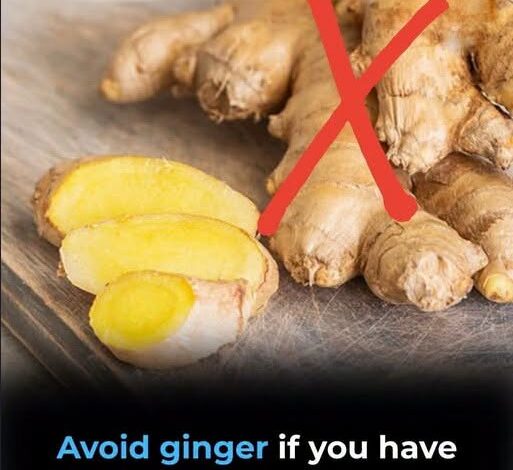
When Ginger May Not Be the Right Wellness Choice
Ginger is widely praised for its potential health benefits, often used in teas, meals, smoothies, and supplements to support digestion, ease nausea, and provide anti-inflammatory effects. However, experts note that its effects are not universally safe for everyone.
While small amounts of ginger consumed as part of food are generally considered safe for most healthy adults, concerns arise with frequent or concentrated use, particularly in supplement or medicinal form. In these cases, ginger can act more like a biologically active compound than a simple kitchen ingredient.
Health professionals caution that individuals with chronic conditions, those taking prescription medications, or pregnant individuals should be particularly mindful of ginger intake.
Who Should Be More Cautious With Ginger
Experts highlight that people taking blood-thinning medications or living with bleeding disorders should exercise extra caution. Ginger contains natural compounds that may influence blood clotting, potentially increasing the risk of bruising, nosebleeds, or prolonged bleeding when combined with anticoagulant or antiplatelet drugs such as warfarin, aspirin, or clopidogrel.
This does not mean ginger is unsafe in all amounts, but rather that higher doses—such as supplements, concentrated shots, or daily therapeutic use—may require medical guidance. Health professionals recommend consulting a healthcare provider before adding ginger supplements to a routine, especially for those on blood-thinning medications.