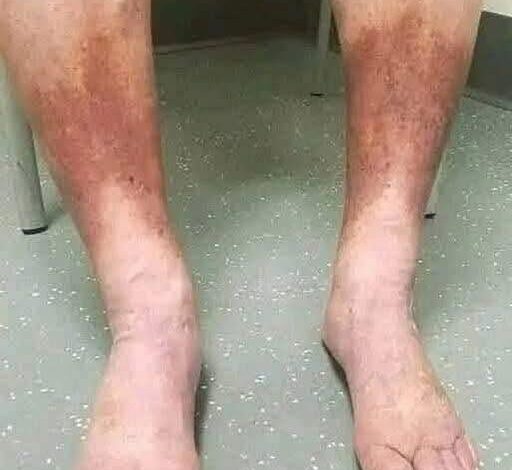
Swollen feet are often easy to dismiss as the result of a long day, tight shoes, hot weather, or sitting too long—and in many cases, that explanation is correct. However, when swelling becomes frequent, appears suddenly, affects one side more than the other, or occurs alongside other symptoms, it may be a sign that the body needs medical attention.
The medical term for this fluid buildup is edema. It occurs when fluid collects in body tissues, most commonly in the feet and ankles, where gravity naturally draws fluid downward.
For many people, mild swelling is temporary and improves with movement, rest, or elevating the legs. Still, understanding the difference between harmless puffiness and persistent swelling is important.
Common causes of swollen feet and ankles
One of the most common causes is prolonged inactivity. Long flights, road trips, desk work, or standing for extended periods can slow circulation in the legs. The calf muscles normally help push blood back toward the heart, so when they are inactive, fluid can begin to pool in the lower limbs.
Heat is another frequent factor. In warm temperatures, blood vessels expand as part of the body’s cooling process. This can allow more fluid to leak into surrounding tissues, leading to a feeling of tightness or puffiness in the feet and ankles.