Nostradamus and his predictions: three interpretations that some relate to the near future.

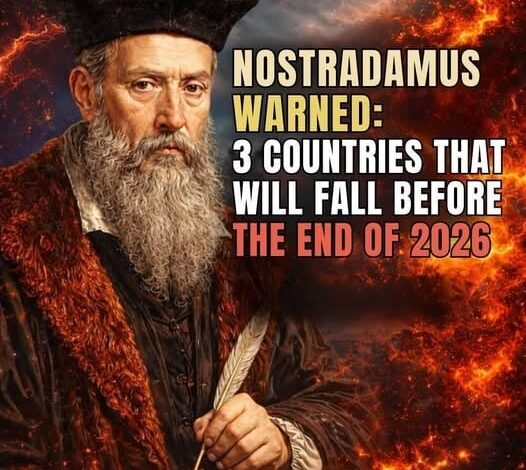
We return to Nostradamus not for clarity, but for ambiguity. His imagery—eagles, bears, lions—was never bound to a single moment, which is precisely why it endures. In uncertain times, each generation maps those symbols onto its own fears, seeing reflections of strained superpowers, isolated regimes, and declining influence. What feels like prophecy is often a mirror, revealing less about the future and more about our present anxieties.
History does move in cycles—periods of growth, crisis, adjustment, and renewal—but these patterns are shaped by human behavior, not predetermined fate. Nations rise and falter, adapt or resist, depending on decisions made in moments of pressure. Symbols like the wounded eagle or the cornered bear resonate not because they predict outcomes, but because they capture the tension of change.
Prophecies may heighten unease, but they don’t define what comes next. The future is not written in riddles—it is built through action. In times of uncertainty, what matters most is how leaders respond, how societies adapt, and whether fear leads to stagnation or transformation.