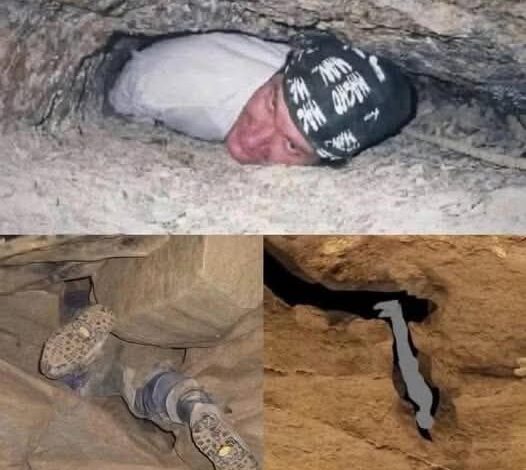
Trapped in the Tightest Space: When Curiosity Turns Dangerous
It starts with a feeling most people recognize instantly—claustrophobia. One glance at someone wedged deep inside a narrow rock crevice is enough to trigger it: shallow breathing, a racing heart, and the overwhelming urge to escape. In these extreme situations, there’s no room to turn, no space to reposition, and often no clear way out. What begins as a controlled exploration can quickly spiral into a life-threatening emergency.
These incidents are not uncommon in the world of cave exploration, a field known as speleology. Tight passages—often called “squeezes”—can narrow unexpectedly, trapping even experienced explorers. The danger intensifies when panic sets in. The body’s natural response is to struggle, but in confined spaces, that reaction can make matters worse by further wedging the person into place. Controlled breathing and stillness become critical, though incredibly difficult under pressure.
Rescue in such scenarios is complex and time-sensitive. Specialized teams must carefully navigate the same tight spaces, often working for hours—or even days—to free a trapped individual without causing injury. These घटनाएं serve as a stark reminder that curiosity and adventure, while powerful motivators, must be balanced with preparation, awareness, and respect for the unforgiving nature of confined environments.