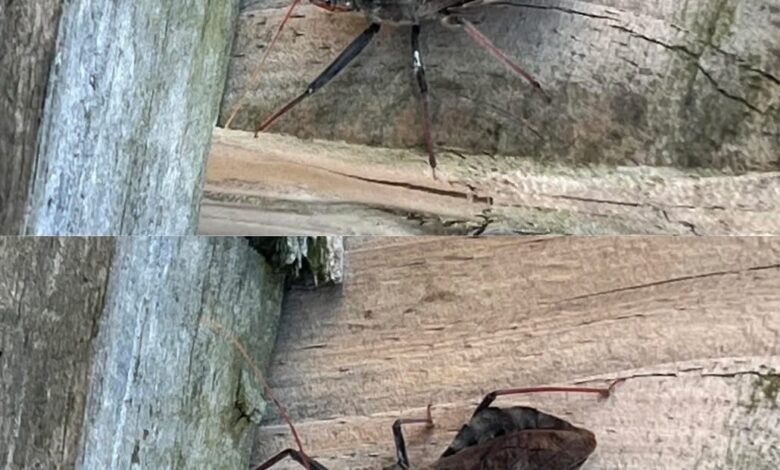
“Kissing Bugs” in the U.S.: What to Know About a Rare but Serious Health Risk
So-called “kissing bugs,” a group of blood-feeding insects known scientifically as Triatomine bugs, have drawn increased attention due to their ability to transmit a parasite that causes Chagas disease.
These insects typically feed at night, often biting around the face. After feeding, they can leave behind infected feces near the bite. If the parasite enters the body—through the bite wound, broken skin, or mucous membranes—it can lead to infection. Early symptoms are often mild or absent, sometimes limited to fever, fatigue, or a rash, which means many people may not realize they’ve been exposed.
Over time, however, untreated Chagas disease can cause serious complications, particularly affecting the heart and digestive system. In some cases, it can become life-threatening years after the initial infection.
Triatomine bugs are most commonly found in warmer regions, including parts of the southern United States. They tend to live outdoors in areas such as woodpiles, gardens, and animal enclosures, though they can occasionally enter homes.
Health experts recommend preventive steps such as clearing outdoor debris, sealing cracks in walls and windows, and maintaining clean sleeping areas for pets. While the risk of transmission in the U.S. remains relatively low, awareness is key.
Anyone who suspects contact with these insects—especially if followed by unexplained flu-like symptoms—should seek medical advice and ask about testing. Early diagnosis and treatment significantly reduce the risk of long-term complications.