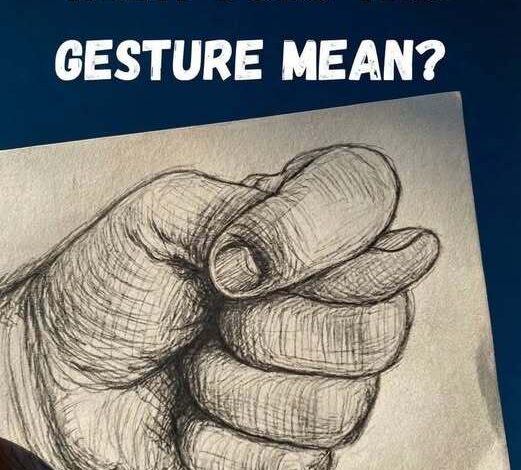
The hand gesture in which the thumb is tucked between the fingers of a closed fist has a long and varied history across different cultures, particularly in parts of Europe and the Mediterranean. Long before written communication or modern signaling systems, such nonverbal expressions were used to convey meaning, emotion, and intent in everyday life.
Historically, this gesture has been interpreted in multiple ways depending on region and context. In some traditions, it has been associated with subtle defiance or refusal, especially in societies where direct disagreement with authority was discouraged. In those settings, nonverbal cues offered a discreet way to communicate dissent without open confrontation, allowing individuals to express themselves while avoiding social or political repercussions.
Today, the gesture is generally viewed as part of broader historical nonverbal communication rather than having a single fixed meaning. Its significance depends heavily on cultural context, time period, and situation, reflecting how human expression has evolved through both language and gesture over centuries.