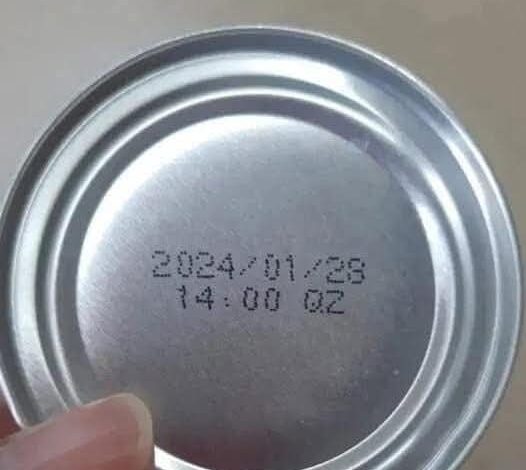
Hesitating in front of the fridge, unsure whether to trust a printed date, is a familiar experience for many households—but food experts say that moment is often driven more by uncertainty than actual risk.
Date labels like “Best Before” and “Use By” were originally designed to guide retailers and indicate peak quality, not to serve as strict safety deadlines. In most cases, food does not become unsafe overnight. Instead, it gradually changes, offering visible and sensory clues such as shifts in smell, color, texture, and taste.
Public health guidance continues to emphasize that consumers can rely on these natural indicators, alongside proper storage practices, to judge whether food is still suitable to eat. Items kept sealed and stored correctly often remain usable well beyond their labeled dates, particularly dry goods and shelf-stable products.
At a time when food waste is a growing global concern, reassessing how date labels are interpreted could have significant impact. Learning to combine basic food safety knowledge with personal judgment may help households reduce waste, cut costs, and approach everyday decisions in the kitchen with greater confidence.