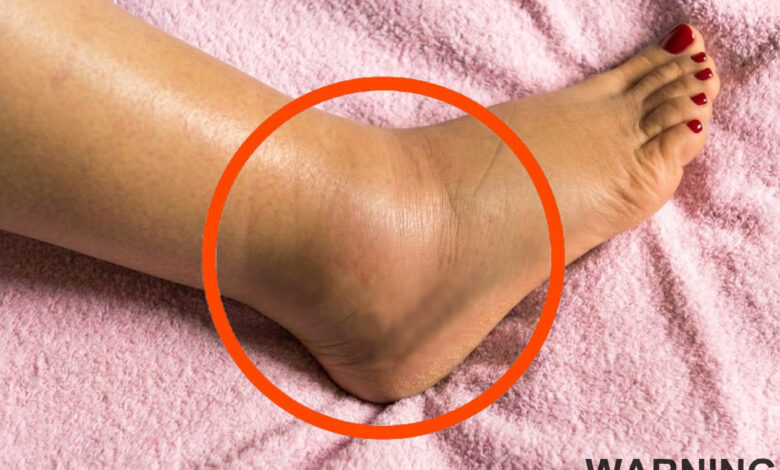
Swollen feet in older adults are often dismissed as a minor inconvenience, but health experts say they can signal more serious underlying issues if they persist or worsen over time.
Mild swelling can result from everyday factors such as prolonged sitting, gravity, or ill-fitting footwear. However, when fluid buildup becomes frequent or pronounced, it may indicate conditions like chronic venous insufficiency, heart failure, or problems involving the kidneys or liver. Sudden or unusual swelling, in particular, should not be ignored.
Doctors recommend simple measures to reduce discomfort and improve circulation. Regular movement—such as walking or gentle stretching—can help push fluid back toward the heart. Elevating the legs, wearing properly fitted shoes, and using compression socks are also commonly advised. Dietary adjustments, including reducing salt intake and eating potassium-rich foods, may further support fluid balance.
Still, lifestyle changes are only part of prevention and management. Medical professionals emphasize that swelling accompanied by warning signs—such as pain, redness, chest discomfort, or difficulty breathing—requires immediate attention, as it could point to serious complications like deep vein thrombosis.
Ultimately, experts stress that paying attention to early changes in the body can make a significant difference. Addressing symptoms promptly not only improves comfort but may also help protect long-term mobility, independence, and overall health.