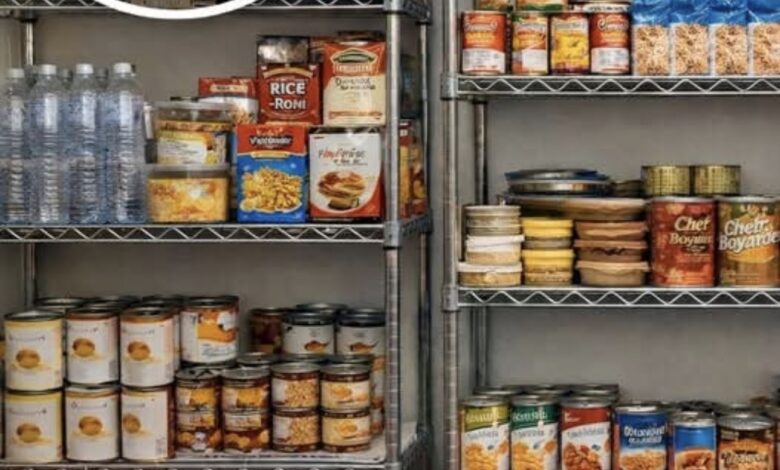
As global tensions continue to rise and headlines around the world grow more alarming, emergency preparedness experts are quietly encouraging people to think ahead. No one wants to imagine facing a large-scale crisis, but specialists who work in disaster response say that being prepared for the first 72 hours could make a critical difference if normal systems suddenly stop working.
Those early days of any major disruption are often the most chaotic. Power grids can fail, communication systems may slow down, and access to basic supplies can quickly become limited. During this uncertain window, having essential items already at home can bring a sense of stability while communities and authorities work to restore order.
One of the most important resources experts recommend storing is clean drinking water. Emergency planners generally advise keeping at least one gallon of water per person per day, enough for drinking and basic hygiene. In situations where supply chains are interrupted, this simple preparation can become invaluable.
Food is another key part of emergency planning. Non-perishable items such as canned goods, rice, pasta, beans, and protein bars can last for months or even years without refrigeration. These foods provide enough calories to help sustain a household while stores remain closed or restocking is delayed.
Medical supplies are equally important. A reliable first aid kit should include bandages, antiseptic wipes, pain relievers, and any prescription medications family members rely on. In emergencies, pharmacies and clinics may not be immediately accessible, making these supplies essential.
Experts also recommend keeping flashlights, spare batteries, and portable phone chargers nearby. If electricity goes out, light and communication become some of the most valuable tools a household can have. During the first hours of any emergency, simply being able to see, charge a phone, and stay informed can make a significant difference.