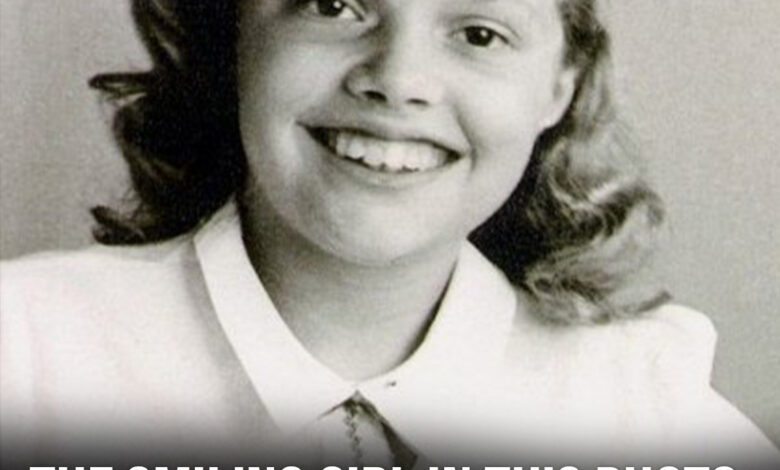
Under the harsh lights of the courtroom, Aileen Wuornos stood not as the frightened child or struggling drifter she once was, but as the woman the media had labeled one of America’s most notorious female serial killers.
Prosecutors portrayed her as a calculated predator who lured men to isolated areas before killing them. Wuornos, however, maintained a very different account of the events. She claimed she acted in self-defense, saying the men she encountered while working as a sex worker had attacked or threatened her, forcing her to fight for her life.
A Case That Captured Global Attention
Wuornos was convicted of killing several men in Florida between 1989 and 1990. The case drew intense media attention, partly because female serial killers are far less common than male offenders. Headlines and documentaries often focused on the shocking nature of the crimes and the contradictions in Wuornos’s own statements.
Her troubled past also became part of the public narrative. Wuornos experienced a childhood marked by abandonment, abuse, and instability — factors some observers argued contributed to the violence that later defined her life.
Life on Death Row
After her conviction, Wuornos spent years on death row while appeals and interviews kept her story in the public eye. Filmmakers, journalists, and psychologists tried to understand the complex mix of anger, trauma, and desperation that seemed to shape her life.
Some saw her as a ruthless killer. Others viewed her as a deeply damaged person whose life had been shaped by violence long before she committed any crimes.
Final Words and Lasting Questions
In 2002, Wuornos was executed in Florida. In her final moments, she delivered brief and unusual last words, speaking defiantly and suggesting she would return “like Independence Day,” a statement that further fueled public fascination with her case.
Her story continues to spark debate about trauma, accountability, and the ways society interprets violent crime. For many observers, the life of Aileen Wuornos remains a troubling question rather than a simple narrative — one that forces people to ask where personal responsibility ends and where tragedy begins.