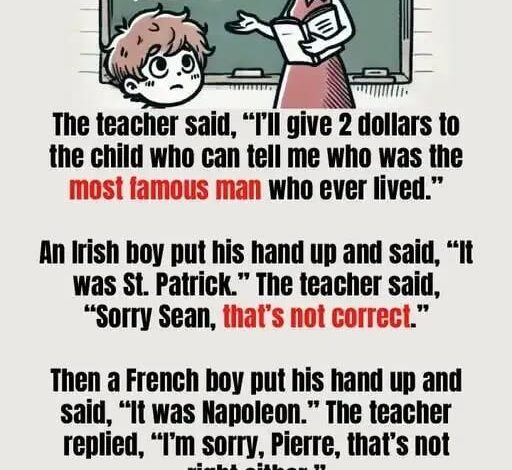
Beneath the humor of these parables lies a quieter moral tension that many people recognize in their own lives. The boy choosing money over a prophet, the suitor grieving a missed fortune more than a lost relationship, and Stanley bargaining over the cost of something extraordinary all reflect a shared human habit: weighing identity against opportunity. In each case, the real question is less about right and wrong, and more about what a choice is perceived to be worth in the moment.
What makes these stories resonate is how familiar the underlying calculations feel. People often remain in situations that are unfulfilling because they offer security, stability, or status, even when something more meaningful might be possible elsewhere. The trade-offs are rarely obvious at the time, and decisions are frequently shaped by fear, uncertainty, or short-term comfort rather than long-term fulfillment.
Ultimately, these parables point to a broader reflection on value and self-perception. Beyond money, status, or immediate gain, the most lasting cost of any decision is often measured in personal growth or compromise. When the moment passes, what remains is the outcome of those choices—and the question of whether what was gained truly outweighed what was quietly left behind.