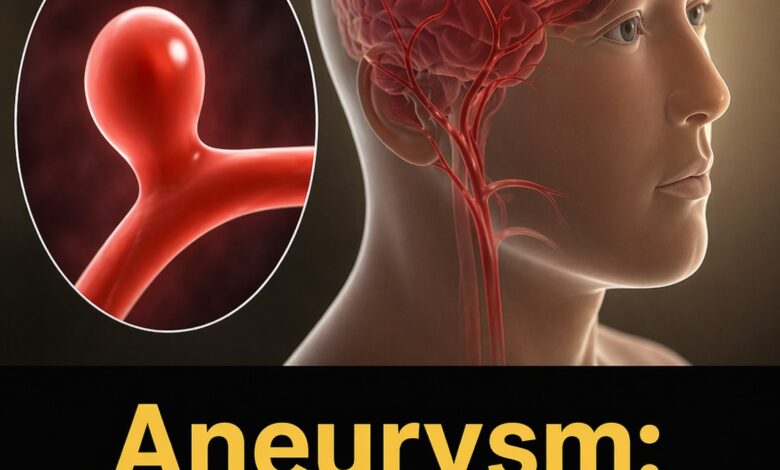
A brain aneurysm can remain silent for years before becoming a sudden medical emergency. When it ruptures, many patients describe an abrupt, severe headache often referred to as the “worst headache of my life,” a symptom that clinicians treat as a potential sign of serious intracranial bleeding rather than routine pain.
Medical experts warn that additional symptoms—such as blurred or double vision, a drooping eyelid, neck stiffness, confusion, or sudden weakness on one side of the body—require immediate emergency response. In these situations, delays can be critical, and patients are urged to seek urgent care rather than attempting to self-diagnose or wait for symptoms to pass.
In some cases, individuals may experience a warning leak, sometimes called a sentinel bleed, which can present as an unusual or persistent headache days before a rupture. While risk varies, factors such as high blood pressure, smoking, heavy alcohol use, prior head injury, and certain demographic patterns are associated with increased likelihood. Health professionals emphasize that early recognition and rapid action are essential, as timely treatment can significantly improve outcomes.