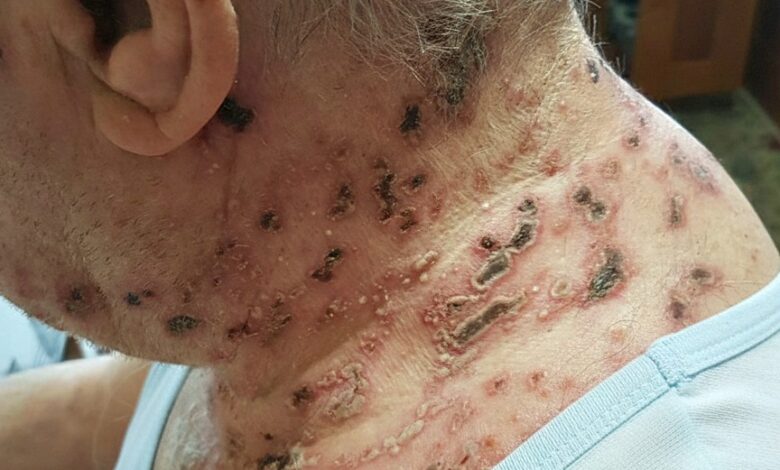
A common but often misunderstood condition is drawing renewed attention for its long-term impact and the importance of early intervention.
Shingles is caused by the same virus responsible for Chickenpox, which can remain dormant in the body for decades. Health experts explain that the virus may reactivate later in life, particularly during periods of stress, illness, or age-related immune decline. When this happens, it can lead not only to a painful rash but also to lingering nerve pain known as Postherpetic neuralgia, which can persist well after visible symptoms fade.
Medical professionals emphasize that early recognition is key. Symptoms often begin with tingling, burning, or localized pain before the rash appears. Prompt treatment with antiviral medications can reduce severity and lower the risk of complications.
Prevention is also a growing focus. Vaccination against shingles is widely recommended for older adults and those at higher risk, significantly lowering the chances of both infection and long-term pain.
Experts say the condition serves as a reminder that underlying health factors—including immune system strength and stress management—play a critical role in overall well-being. With timely care and preventive measures, shingles can be effectively managed, reducing both its immediate and lasting effects.