
Flesh-eating bacteria found in popular U.S. tourist spot, carrying 20% risk of death within 48 hours

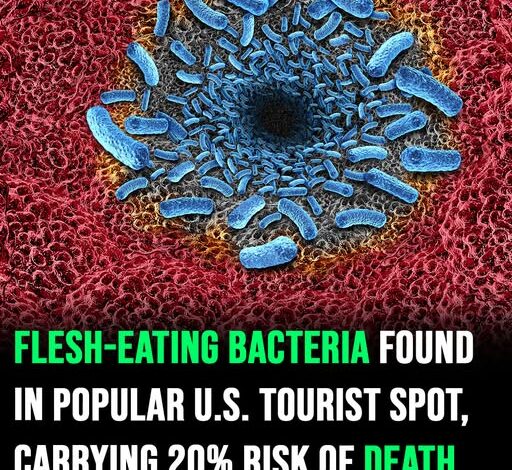
Scientists have detected a potentially deadly “flesh-eating” bacterium in waters off Long Island, New York, prompting fresh public health warnings in a popular U.S. tourist region. Researchers from Stony Brook University identified Vibrio vulnificus at multiple sites, a pathogen that can cause severe infections and become life-threatening within 48 hours. Marine scientist Christopher Gobler warned the bacteria can enter through open wounds and carry a significant risk, particularly for vulnerable individuals, while animals such as dogs have also been affected in past cases.
The discovery follows earlier incidents in 2023, when three people died after contracting infections in Long Island waters. Recent testing shows the bacterium has spread to additional locations, including Sagaponack Pond, Mecox Bay, and Georgica Pond. Scientists attribute the spread to a combination of environmental pressures, including nitrogen pollution from aging septic systems, harmful algal blooms, and rising water temperatures linked to climate change.
Experts say these conditions create an ideal environment for dangerous bacteria to thrive and warn that nearby areas such as East Quogue, Southold, and Shinnecock Bay could also be at risk. While no new deaths have been reported since 2023, authorities urge caution—especially for those who are immunocompromised, elderly, or have open wounds—as the spread of the bacterium continues to raise concerns for public health and local industries.


