
It’s easy to overlook how much the human body depends on something as simple as water. We tend to think of ourselves as solid—muscle, bone, structure—but in reality, the body functions as a fluid-based system where hydration supports nearly every internal process. A large portion of the body is made up of water, found in muscles, blood, the brain, and other tissues, which is why even mild dehydration can begin to affect energy, focus, mood, and physical performance.
Hydration plays a role in multiple systems at once. It helps regulate body temperature, carries nutrients through the bloodstream, supports digestion, and allows the brain to function efficiently. When water levels drop, the effects aren’t always immediate thirst, but a gradual decline in how well these systems operate. Because thirst is often a delayed signal, relying on it alone can mean the body is already slightly dehydrated before you notice.
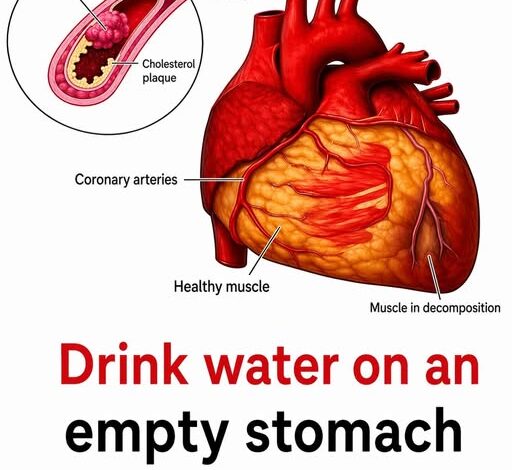
For that reason, steady fluid intake throughout the day is generally more effective than drinking only when thirst appears. One common habit is drinking water in the morning after several hours of sleep, when the body is naturally in a mildly dehydrated state. This can help restore balance, support alertness, and aid digestion, though it’s not a cure-all on its own.
Ultimately, hydration needs vary based on factors like activity level, climate, diet, and health. Rather than strict rules, many health professionals suggest paying attention to simple signals like energy levels and urine color. In the end, consistent hydration is one of the most basic yet important forms of self-care, quietly supporting the body’s function throughout the day.


