Ringworm Prevention: Simple Habits to Stop a Stubborn Skin Infection Before It Spreads

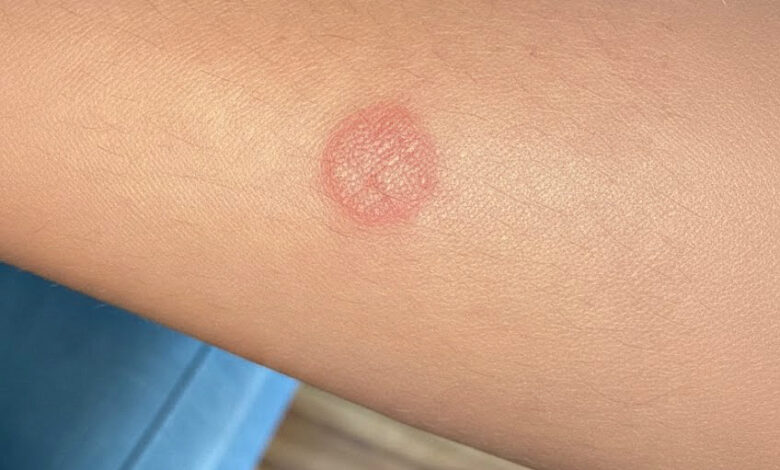
Ringworm isn’t just a cosmetic issue — it’s a common, highly contagious fungal infection known medically as tinea. It spreads easily through skin contact and contaminated surfaces, which is why prevention depends on consistent, everyday habits.
Keeping skin clean and dry is key, especially in areas prone to sweat. Changing out of damp clothes promptly and washing items like towels, socks, and bedding regularly helps prevent fungal spores from lingering and causing reinfection. It’s also important to avoid sharing personal items, even with people you trust.
Pets can sometimes carry the fungus without obvious symptoms, so watch for signs like patchy hair loss or scaly skin and consult a veterinarian if needed. If a ring-shaped rash appears, it’s best not to rely on random creams — especially steroids, which can mask symptoms and allow the infection to worsen. Instead, use appropriate antifungal treatments or seek advice from a dermatologist.
Supporting overall health also plays a role. Adequate sleep, balanced nutrition, and stress management can help your body defend against infections more effectively. With a bit of awareness and routine care, ringworm is both preventable and treatable before it becomes a persistent problem.