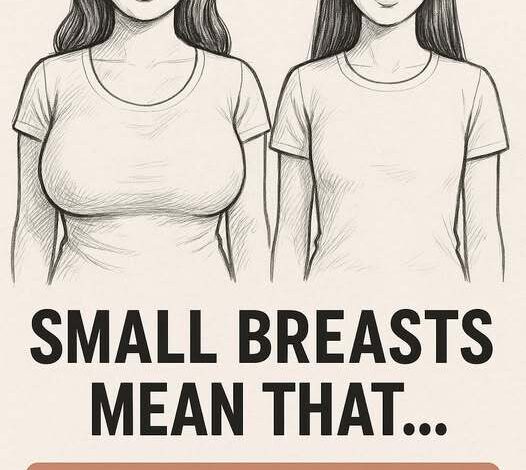
Breast Size Isn’t a Health Score—Experts Push Back on Common Myths
Medical experts are reinforcing that breast size alone has no meaningful link to a person’s overall health, challenging long-standing cultural assumptions about femininity and wellness.
Breasts vary widely due to genetics, hormones, age, body weight, and life stages such as pregnancy or menopause. According to clinicians, these differences are normal biological variation—not indicators of strength, illness, or hormonal “balance.”
Health specialists emphasize that there is no scientific basis for the idea that smaller or larger breasts reflect better or worse health. While some studies have explored correlations between breast size and certain conditions, they typically relate to overall body composition rather than breast tissue itself.
Instead, doctors say real indicators of health are found in broader markers such as energy levels, menstrual regularity, sleep quality, immune function, and cardiovascular fitness.
Public health messaging increasingly focuses on separating appearance from medical assessment, particularly as body image narratives circulate widely on social media.
Ultimately, experts stress that breast size is not a diagnostic tool, nor a measure of femininity or well-being—but simply one of many natural variations in human anatomy.