Major Store Closures Reshaping Retail in 2026
A Shifting Retail Landscape Across the United States
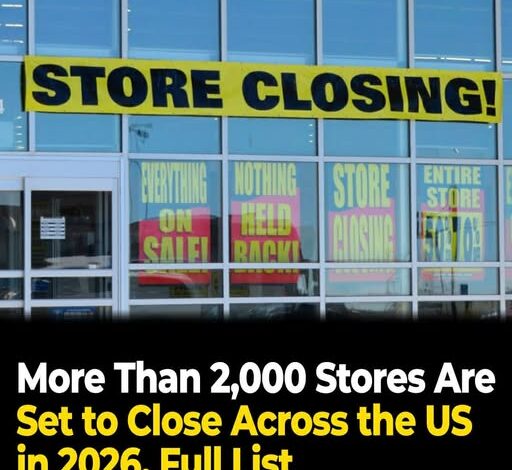
Across the United States, familiar storefronts are vanishing from malls, strip centers, and neighborhood corners at a steady pace. In 2026, thousands of closures have already been announced as major chains rethink how—and where—they do business.
From pharmacies and grocery stores to apparel brands and quick-service restaurants, no segment has been untouched. For many communities, the impact goes beyond retail: fewer nearby stores can mean reduced access to essentials, fewer jobs, and the loss of everyday gathering spaces.
What’s Driving the Wave of Closures
Several forces are converging at once. Rising operating costs—including rent, utilities, and wages—are squeezing profit margins, while staffing shortages continue to challenge day-to-day operations.
At the same time, online shopping keeps expanding, pulling foot traffic away from brick-and-mortar locations. Many retailers that rapidly expanded over the past decade are now trimming underperforming stores to stabilize finances and focus on stronger markets. In some cases, debt and restructuring have accelerated those decisions.
The result is a nationwide recalibration of physical retail footprints, with companies prioritizing efficiency over scale.
Major Chains Reworking Their Store Networks
Among the companies making significant changes is 7-Eleven, which is moving forward with plans to close hundreds of locations across North America. The move is part of a broader strategy to streamline operations, invest in higher-performing stores, and adapt to shifting consumer habits.
Industry analysts say similar decisions are playing out across multiple brands, signaling a long-term transformation rather than a temporary slowdown.
What Comes Next
While store closures can disrupt communities in the short term, they also reflect a broader transition in how people shop and interact with retail spaces. Some companies are reinvesting in smaller, more efficient formats or enhancing digital services, while others are doubling down on flagship locations and experiential shopping.
For consumers, the changes may mean fewer stores—but potentially more targeted, convenient, and digitally integrated experiences in the years ahead.