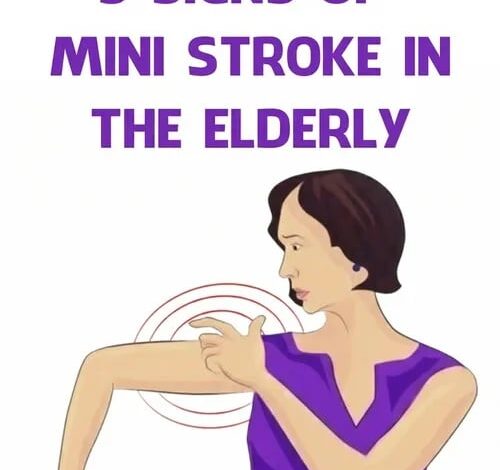
A mini-stroke—medically known as a Transient Ischemic Attack (TIA)—is a critical warning sign, not a minor or harmless episode.
Although symptoms may disappear within minutes or hours, the underlying issue remains serious. A TIA occurs when blood flow to part of the brain is briefly interrupted, causing stroke-like symptoms such as sudden difficulty speaking, vision problems, loss of balance, or weakness on one side of the body. Even if these signs resolve quickly, they signal a significantly increased risk of a full Stroke in the near future—often within days or weeks.
Medical experts stress that a TIA should be treated as an emergency. Prompt evaluation typically includes brain imaging, heart monitoring, and blood tests to identify potential causes such as clots, narrowed arteries, or irregular heart rhythms. Early detection allows doctors to intervene before permanent damage occurs.
Preventive steps can make a substantial difference. Managing blood pressure, quitting smoking, staying physically active, and adopting a heart-healthy diet are among the most effective ways to reduce stroke risk. Medications or procedures may also be recommended depending on the cause.
In many cases, a TIA becomes a turning point—an opportunity to act before a more serious event happens. Recognizing it as the body’s warning system can help protect long-term health and prevent life-altering consequences.