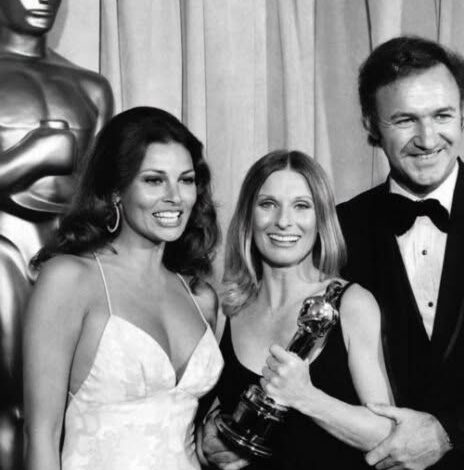
Why the 1972 Oscars Are Still Seen as One of the Academy Awards’ Greatest Nights
The 44th Academy Awards, held in 1972, continues to stand out for many film fans as one of the most memorable ceremonies in Oscar history — a moment when classic Hollywood glamour collided with a bold new era of filmmaking.
The event arrived during a major transformation in American cinema. The polished studio system that had defined earlier decades was giving way to a younger generation of directors and actors who embraced realism, moral ambiguity, and more daring storytelling. For many historians, the ceremony captured Hollywood at the exact moment that change became impossible to ignore.
Unlike many modern award shows often criticized for prioritizing spectacle, the 1972 Oscars are remembered for their atmosphere of genuine admiration for filmmaking itself. The ceremony felt less manufactured and more emotionally connected to the movies being honored.
A Best Picture Race Filled With Classic Films
What continues to elevate the 1972 ceremony in the eyes of critics and movie lovers is the strength of its nominated films. The Best Picture lineup reflected a period when mainstream cinema was becoming darker, riskier, and more artistically ambitious.
The night belonged largely to The French Connection, which won five Academy Awards, including Best Picture, Best Director for William Friedkin, and Best Actor for Gene Hackman.
The gritty crime thriller was praised for its raw realism, tense storytelling, and groundbreaking chase sequences that redefined the modern action film. Its success signaled a shift away from polished studio productions toward more visceral and street-level storytelling.
A Turning Point for Hollywood
The early 1970s marked the rise of what many now call “New Hollywood,” a period dominated by filmmakers willing to challenge audiences with morally complex characters and unconventional narratives.
The ceremony reflected that transition perfectly. Traditional elegance still surrounded the event, but the winning films carried a new energy — darker, sharper, and more reflective of changing social attitudes in America.
Film scholars often point to this era as one in which studios briefly gave directors greater creative freedom, leading to a wave of influential films that still shape cinema today.
Why It Still Resonates
More than 50 years later, the 1972 Oscars continues to resonate because it represented more than celebrity and awards. It captured an industry evolving in real time.
For many viewers revisiting the ceremony today, what stands out most is the authenticity: emotional speeches, respect for artistic achievement, and a sense that the movies themselves truly mattered.
At a time when audiences increasingly debate the relevance of award shows, the 44th Academy Awards remains a reminder of what the Oscars can look like when great filmmaking takes center stage.