How Different Religions Around the World View Death, Burial, and the Journey of the Soul

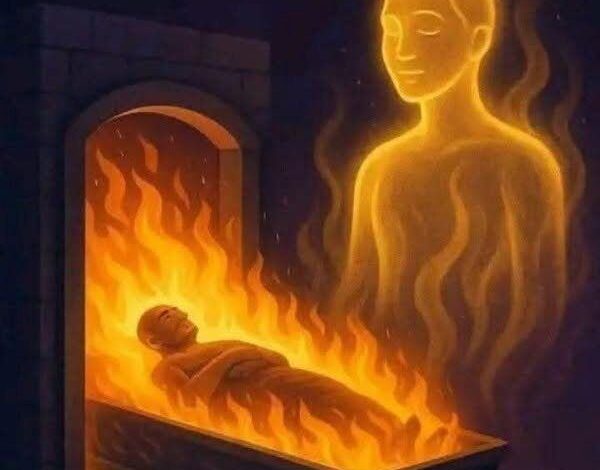
Death is one of humanity’s oldest and most universal questions. Across civilizations, religions, and cultures, people have developed beliefs and rituals to explain what happens after life ends — and how the living should honor those who have passed away.
From burial traditions to cremation rites, these practices reflect far more than ceremony. They reveal how different faiths understand the soul, the body, and the possibility of an afterlife.
Burial Practices Reflect Spiritual Beliefs
Funeral customs are deeply tied to religious teachings and cultural identity. In many traditions, the treatment of the body after death is considered a sacred responsibility, symbolizing respect for both the individual and the spiritual journey believed to follow.
Some faiths emphasize preserving the body through burial, while others view cremation as a meaningful return to nature or part of a cycle of rebirth.
Islamic Beliefs on Death and Burial
In Islam, cremation is strictly prohibited. The body is viewed as a trust from God and must be handled with dignity, care, and respect after death.
Traditional Islamic funeral rites typically include:
- Ritual washing of the body, known as ghusl
- Wrapping the deceased in a simple white shroud
- Funeral prayers performed by the community
- Burial in the ground, often as soon as possible after death
Muslims generally believe in bodily resurrection and accountability in the afterlife, which is one reason burial is considered essential within Islamic teachings.
Christian Traditions and Funeral Practices
Within Christianity, views on burial and cremation vary by denomination and historical tradition.
For centuries, burial was the dominant practice because of beliefs connected to resurrection and eternal life. However, many Christian groups today accept cremation, provided it is carried out respectfully and does not reject core spiritual beliefs.
Funeral services often focus on remembrance, prayer, hope, and the belief that the soul continues beyond earthly life.
Hindu Beliefs and Cremation Rituals
In Hinduism, cremation is widely practiced and considered spiritually significant.
Many Hindus believe the soul is eternal and passes through cycles of rebirth, known as reincarnation. Cremation symbolizes the release of the soul from the physical body and its transition into the next stage of existence.
Traditional ceremonies may involve sacred prayers, family rituals, and the scattering of ashes in a holy river such as the Ganges.
Buddhist Views on Death and Rebirth
Buddhism teaches that death is part of an ongoing cycle of rebirth influenced by karma and spiritual development.
Cremation is common in many Buddhist communities, though practices differ across regions and traditions. Funeral rituals often emphasize peace, mindfulness, compassion, and prayers intended to support the soul’s transition.
Jewish Funeral Traditions
In Judaism, burial has traditionally been the preferred practice, rooted in teachings about respect for the body and the sanctity of human life.
Jewish funerals are often simple and solemn, emphasizing humility, prayer, and remembrance. Some modern Jewish communities now allow cremation, though it remains controversial within more traditional branches of the faith.
A Shared Human Search for Meaning
Although beliefs differ widely, many religious traditions share a common purpose: helping people process grief, honor the dead, and find meaning in life’s final transition.
Whether through burial, cremation, prayer, or ritual, these customs reflect humanity’s enduring attempt to understand mortality, preserve dignity, and answer one of life’s deepest mysteries — what happens after death.