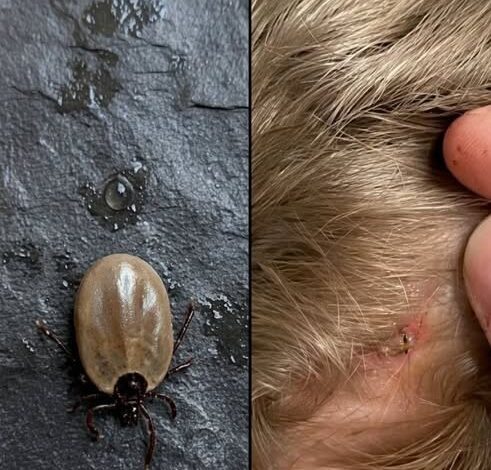
Ticks are often described by health experts as one of the most easily overlooked sources of infection risk, largely because their bites can go unnoticed for extended periods.
Unlike many insects that bite briefly and detach, ticks attach firmly to the skin and can remain in place for hours or even days without being detected. In many cases, people do not feel the bite at all during the early stages of attachment.
As a result, symptoms may not appear until well after exposure, sometimes only once the body begins reacting to an infection or immune response rather than the initial bite itself.
Health authorities note that ticks frequently attach to areas that are difficult to inspect during routine self-checks, such as behind the knees, along the scalp, under the arms, around the waistline, and behind the ears. Their small size and slow feeding process make early detection especially challenging.
Some species are also known to release compounds that reduce pain and irritation while feeding, which can further delay awareness of their presence.
Public health agencies such as the Centers for Disease Control and Prevention emphasize that early removal and regular body checks after outdoor activity are key steps in reducing the risk of tick-borne illness.