Why Today’s Steak Tastes Different: The Growing Divide Between Farm-Raised and Store-Bought Beef

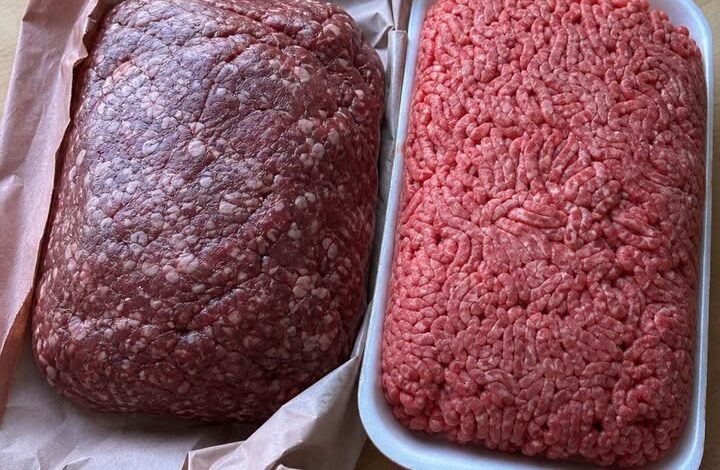
Many consumers, especially older adults, say the beef they buy today tastes different from what they remember growing up with. That shift has sparked renewed interest in how cattle are raised, processed, and distributed from farms to modern supermarkets.
One key distinction is between farm-raised beef and store-bought beef. Farm-raised or pasture-raised beef is often associated with smaller operations where cattle are raised in more traditional environments. Supporters say this approach can produce meat with a richer, more distinctive flavor and a stronger connection to where the food comes from, as animals are often raised in less industrialized settings.
By contrast, supermarket beef is designed for consistency and accessibility. Large-scale production systems prioritize standardized cuts, predictable texture, and year-round availability. This makes it easier for consumers to find familiar products at stable prices, regardless of season or location.
Nutrition and food experts note that both options can be safe and high-quality, but differences in taste and texture often come down to factors such as feed, animal breed, aging processes, and handling after slaughter. These variables influence the final flavor profile more than many shoppers realize.
Ultimately, specialists say the choice between farm-raised and store-bought beef comes down to personal priorities—whether that’s flavor, cost, convenience, or supporting specific farming practices. Understanding how beef is produced can help consumers make more informed decisions about what ends up on their plates.