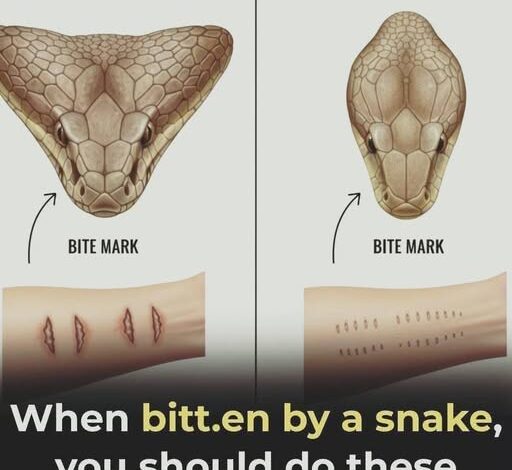
A snakebite can happen in seconds, but what happens afterward can make a life-saving difference. Whether the encounter occurs on a farm, near a garden shed, during a hike, or even close to home, medical experts stress that every suspected snakebite should be treated as a medical emergency.
The recommended response is straightforward: remain calm, minimize movement, and seek emergency medical assistance immediately. Attempting to monitor symptoms at home or delaying treatment can increase the risk of serious complications.
Why Every Snakebite Should Be Taken Seriously
Not every bite from a venomous snake results in venom being injected. Known as a “dry bite,” these incidents can occur without significant envenomation. However, experts warn that it is impossible to determine immediately whether venom has entered the body, making professional medical evaluation essential.
A bite may appear minor, cause little pain, or leave only small puncture marks, yet dangerous symptoms can develop hours later. Because of this uncertainty, health authorities recommend treating all snakebites as potentially serious.
Symptoms Can Escalate Quickly
The effects of a snakebite can vary depending on the species involved and the amount of venom delivered. Early symptoms may include pain, swelling, redness, or discoloration around the bite site.
More severe reactions can include nausea, vomiting, blurred vision, difficulty breathing, irregular heartbeat, abdominal pain, muscle weakness, and, in some cases, paralysis. Without prompt treatment, these complications can become life-threatening.
Fast Medical Care Saves Lives
Australia records approximately 3,000 reported snakebites each year, according to data from the Royal Flying Doctor Service. Around 550 cases require hospital admission, while fatalities remain relatively rare, averaging about two deaths annually. Health experts credit modern emergency care and the availability of antivenom for dramatically improving survival rates.
Despite those advances, specialists emphasize that rapid medical treatment remains the most important factor in reducing the risk of severe illness or death following a snakebite. Anyone who has been bitten—or suspects they may have been bitten—should seek emergency care without delay.