Vitamin B12 plays a crucial role in maintaining healthy red blood cells, supporting nerve function, and assisting in DNA production. Because the body cannot produce it naturally, it must be obtained through diet—primarily from animal-based foods such as meat, fish, eggs, and dairy—or through fortified foods and supplements.
Health professionals warn that low levels of vitamin B12 can develop gradually, making early symptoms easy to overlook. One of the most common signs is persistent fatigue, often accompanied by weakness, shortness of breath, dizziness, or difficulty concentrating. These symptoms are sometimes mistaken for stress or general exhaustion.
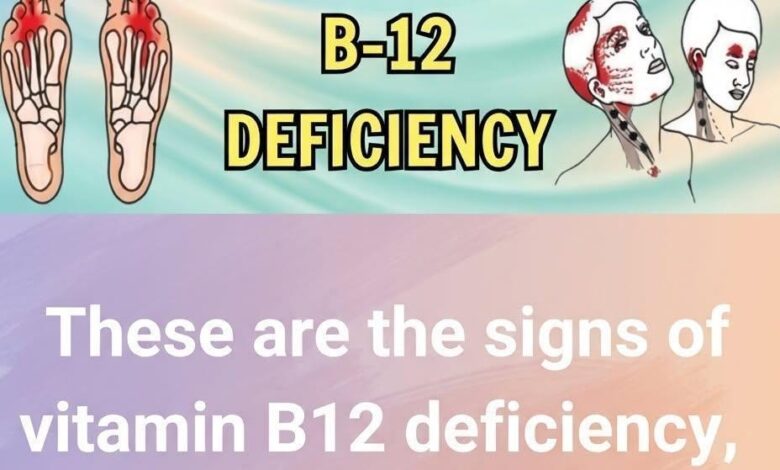
As deficiency progresses, more noticeable physical symptoms may appear, including pale or slightly yellowish skin, a sore or inflamed tongue, and tingling sensations in the hands and feet. In more severe cases, nerve-related symptoms can affect balance, memory, and mood, sometimes leading to confusion or irritability.
Doctors emphasize that a simple blood test can confirm a vitamin B12 deficiency. When identified early, treatment through dietary adjustments, oral supplements, or prescribed injections is highly effective and can prevent long-term complications, with many symptoms improving or fully reversing over time.