
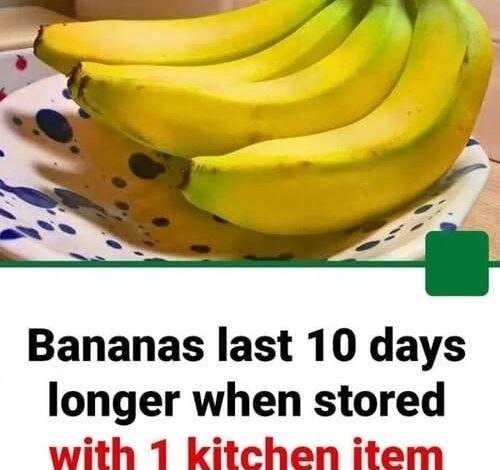
Bananas often shift from bright yellow to heavily spotted and soft in just a few days, leading many people to throw away part of every bunch. In many cases, the issue isn’t the fruit itself, but how it’s being stored at home.
A key factor is ethylene, a natural gas that bananas produce as they ripen. Bananas are also highly sensitive to ethylene, meaning that exposure to additional amounts can speed up the ripening process even more. This becomes especially noticeable when bananas are stored in a shared fruit bowl alongside items like apples, pears, or avocados, which also release ethylene.
While a mixed fruit bowl may look convenient and tidy, it can unintentionally shorten the shelf life of bananas. The closer they are to other ethylene-producing fruits, the faster they tend to soften and develop brown spots.
One simple way to slow the process is to keep bananas separate. Giving them their own space on the counter, with good airflow and no crowding from other fruit, can help extend freshness and reduce waste.


