Rare Tick-Borne Powassan Virus on the Rise in the US: What You Need to Know to Stay Safe

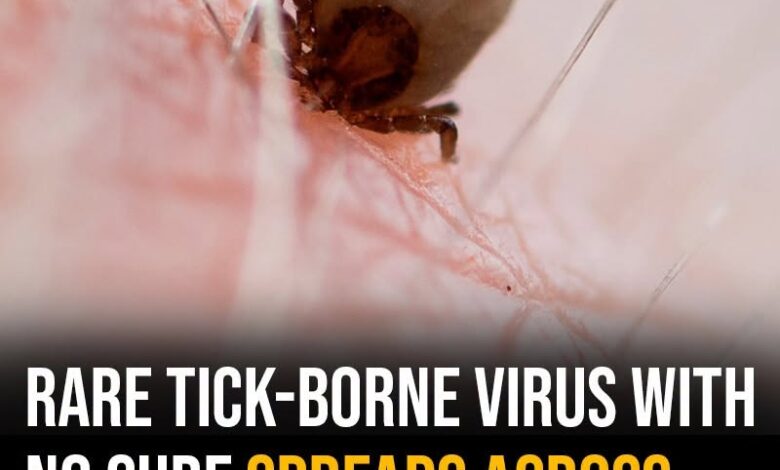
Health experts are urging Americans to take extra precautions as cases of the rare but potentially deadly Powassan virus continue to rise across the United States.
Unlike Lyme disease, which typically requires a tick to remain attached for many hours before transmission, the Powassan virus can be passed to humans in as little as 15 minutes after an infected tick bites. Although infections remain uncommon, doctors warn that the virus can cause severe neurological illness and has no specific antiviral treatment or cure.
Early symptoms may include fever, headache, vomiting, and weakness. In more serious cases, the virus can spread to the brain or surrounding tissues, leading to confusion, seizures, memory loss, and inflammation of the brain (encephalitis) or its protective membranes (meningitis). Some patients recover fully, while others are left with long-term neurological complications.
Medical experts emphasize that prevention remains the best defense. They recommend wearing long sleeves and pants in wooded or grassy areas, using EPA-approved insect repellents, performing thorough tick checks after spending time outdoors, and showering soon after returning inside to help remove unattached ticks.
While the overall risk of infection is still low, the increase in reported cases has prompted renewed calls for public awareness during peak tick season. Recognizing symptoms early and taking simple preventive measures can significantly reduce the risk of serious illness.