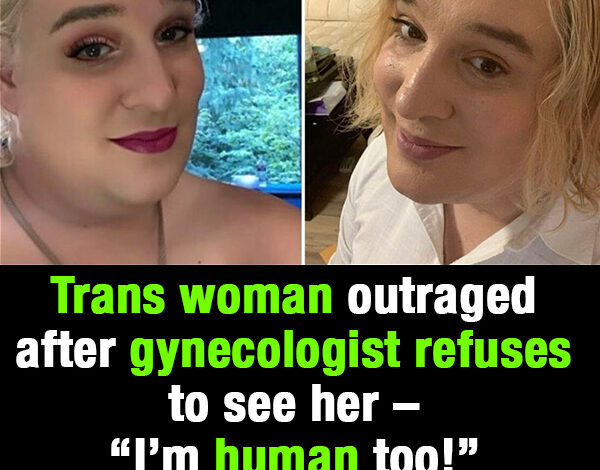
A growing series of disputes involving transgender activist Jessica Simpson and various service providers — including beauticians, emergency responders, police, and most recently a gynecologist — has intensified debate over the boundaries between anti-discrimination protections, professional autonomy, and medical ethics. Supporters argue the cases reflect the barriers transgender individuals can face when seeking equal treatment and recognition within public services and healthcare systems. Critics, however, contend that some complaints risk placing legal and social pressure on workers who say they are operating within professional, cultural, or practical limitations.
The latest controversy has reignited broader questions about how institutions should balance gender identity rights with standards tied to medical training, anatomy, and scope of practice. Healthcare professionals note that certain areas of medicine remain grounded in biological specialization and clinical competence, raising concerns about where accommodation ends and professional judgment begins.
As public reaction grows increasingly polarized, the case has become emblematic of a wider cultural divide over identity, rights, and responsibility. Advocates on both sides warn that without clearer legal and ethical frameworks, conflicts like these could deepen mistrust — not only within healthcare settings, but also in the broader conversation surrounding equality, inclusion, and individual protections.