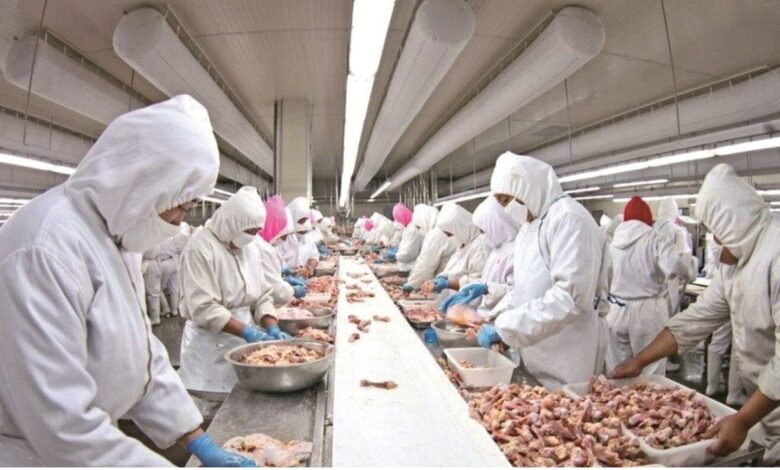
Alarming posts about imported foods regularly circulate across social media, often featuring dramatic warnings such as “foods you should never buy” or “dangerous imports found in grocery stores.” These claims tend to spread quickly because they tap into strong emotions tied to health, family safety, and everyday food choices.
Recently, online discussions have once again focused on imported goods from China, including items such as garlic, seafood, apple juice, soy sauce, mushrooms, and ginger. Viral posts often suggest these products may contain unsafe chemicals, excessive pesticides, or questionable additives. However, experts note that many of these claims circulate without clear sourcing or verification, making it difficult to separate fact from speculation.
In reality, modern food systems are highly globalized, with products frequently sourced and processed across multiple countries before reaching store shelves. Food safety specialists emphasize that risks in the food supply are not tied to one nation or region alone. Instead, contamination events and regulatory issues can occur anywhere in the global supply chain, including domestic production. As a result, experts encourage consumers to rely on trusted food safety authorities and verified data rather than viral posts when evaluating concerns about imported foods.