Ebola Outbreak in DR Congo Raises Concern as Cases and Deaths Rise, Health Officials Warn

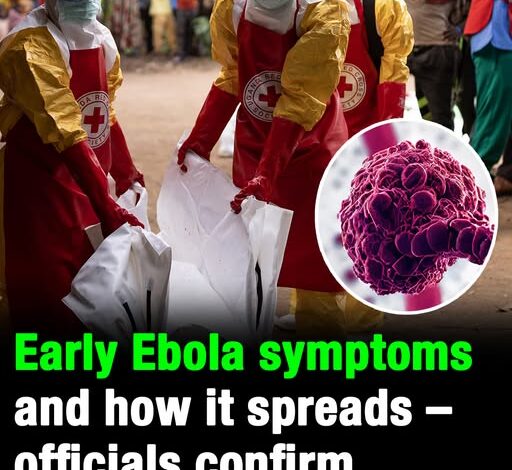
Health authorities are reporting a worsening Ebola outbreak in the Democratic Republic of Congo (DRC), with more than 130 deaths and over 500 suspected cases, according to recent updates cited by international health agencies.
Officials say the outbreak, which has been spreading across multiple regions, is being closely monitored amid concerns that transmission may be more widespread than initially believed. In neighboring Uganda, one Ebola-related death has also been confirmed.
The World Health Organization (WHO) has warned that ongoing investigations are uncovering new suspected cases in additional areas, raising fears that the outbreak could expand further before it is fully contained.
A representative cited in reporting said the disease may be spreading more rapidly than early assessments suggested, as surveillance teams continue to identify new clusters of infection.
Ebola virus disease is a severe and often fatal illness caused by viruses in the Ebolavirus family. Health experts note that fruit bats are believed to be a natural reservoir of the virus, with human infection typically occurring through contact with infected animals or transmission between people via bodily fluids.
Symptoms usually appear between 2 and 21 days after exposure. Early signs often include fever, severe headache, muscle pain, weakness, fatigue, and sore throat — symptoms that can resemble malaria or influenza.
As the illness progresses, patients may develop more severe symptoms such as vomiting, diarrhea, abdominal pain, and in some cases internal or external bleeding. Medical authorities also warn that Ebola can lead to serious complications affecting multiple organs.
The U.S. Centers for Disease Control and Prevention (CDC) notes that survivors may experience long-term health effects, including fatigue, headaches, vision problems, and mental health challenges such as anxiety or depression.
Health agencies continue to emphasize early detection, isolation, and supportive care as key measures to controlling outbreaks, while surveillance and response teams work to limit further spread in affected regions.