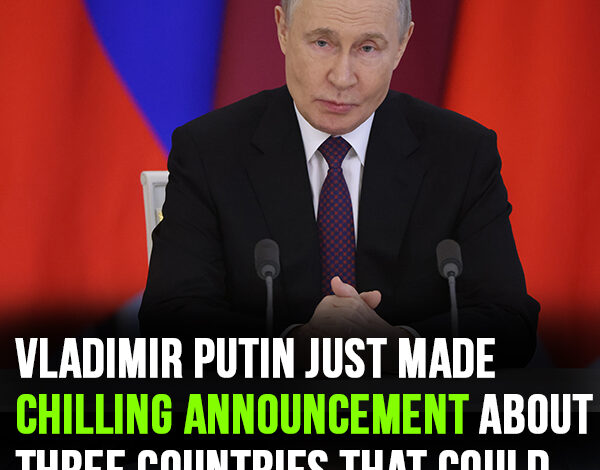
Anton Gerashchenko’s warning carries the weight of experience. He says the Kremlin is reviving a familiar narrative — one the world has heard before major Russian escalations in Georgia in 2008, Crimea in 2014 and Ukraine in 2022. Claims of “Russophobia,” discrimination against Russian speakers, language restrictions and persecution were repeatedly used to portray Moscow as a protector rather than an aggressor.
In each case, diplomatic complaints and legal arguments were never the end goal, but the opening stage of a larger strategy. The narratives helped build political justification and a public case Russia could later point to when escalating tensions.
The Baltic states, however, present a very different reality. Latvia, Lithuania and Estonia are NATO members, meaning any direct military action would risk triggering a wider confrontation with the alliance.
Analysts say that may be why the Kremlin’s focus appears centered on hybrid tactics instead of open conflict. Information warfare, legal pressure and psychological operations carry far less risk while still allowing Moscow to test NATO’s resolve, stir fear among Russian-speaking communities and keep the Baltic region under constant pressure.