Why Women’s Shirts Button Opposite to Men’s: The Historical Reason Behind a Lasting Fashion Tradition

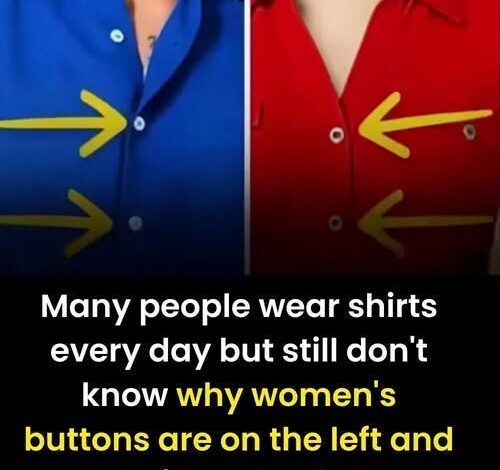
Most people rarely notice it, but women’s shirts typically button on the left side, while men’s shirts button on the right. The distinction has persisted for centuries, and historians believe it reflects social customs that date back to a very different era.
One widely accepted explanation traces the practice to wealthy women in the 18th and 19th centuries. At the time, upper-class fashion often involved elaborate garments that required assistance to put on. Because most maids were right-handed, placing buttons on the wearer’s left side made it easier for a servant standing opposite to fasten the clothing. Over time, the arrangement became associated with women’s fashion and remained in use even as dressing without assistance became the norm.
Men’s clothing developed under different influences. Historians suggest that many right-handed men carried swords or weapons on their left side. Buttons positioned on the right allowed coats and jackets to be opened more easily with the dominant hand when quick access was needed. As military styles influenced civilian fashion, the right-side button arrangement became standard in men’s clothing.
Although modern clothing no longer serves those historical purposes, manufacturers have largely continued the tradition. The distinction remains one of fashion’s most enduring conventions, surviving long after the social conditions that created it disappeared.
Some historians note that there is no single universally accepted explanation, and multiple factors may have contributed to the difference. However, the practice continues to offer a fascinating glimpse into how everyday objects can preserve traces of social structures, class distinctions, and cultural norms from centuries past.
Today, a simple row of buttons serves as a subtle reminder that even the most ordinary design choices often have surprisingly complex histories.