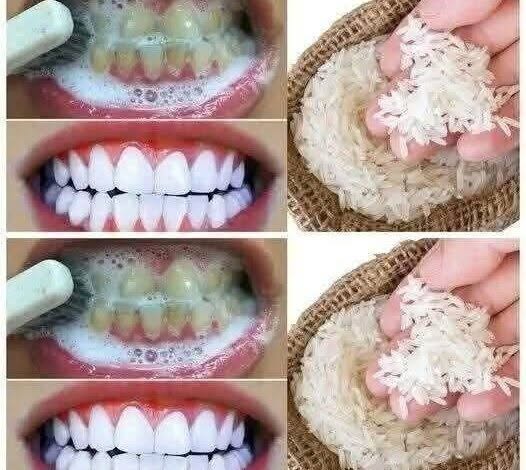
A viral teeth-whitening hack circulating on social media is drawing concern from dental professionals, who say the popular DIY method may do more harm than good despite its promise of fast results.
The trend, which often combines rice flour, lemon juice, olive oil, and toothpaste, has gained attention for claiming to brighten teeth in less than a minute using common household ingredients. Its low cost and “natural” appeal have helped fuel its popularity across platforms.
However, dentists caution that the immediate effect users notice is not the same as professional whitening. Instead, the temporary brightness may result from surface-level changes rather than a clinically proven whitening process.
According to experts, finely ground rice flour acts as an abrasive scrub that can help remove some surface stains caused by coffee, tea, tobacco, and other staining substances. While this may make teeth appear cleaner or brighter initially, repeated use can gradually wear down protective tooth enamel.
Dental professionals also warn that ingredients such as lemon juice introduce acidity, which may further weaken enamel and increase the risk of sensitivity and long-term damage. Once enamel is lost, it cannot naturally regenerate.
Experts recommend using dentist-approved whitening products or seeking professional treatment instead of relying on unverified online trends. While the rice flour hack may appear to offer a quick cosmetic boost, specialists say protecting enamel should remain the top priority for long-term oral health.