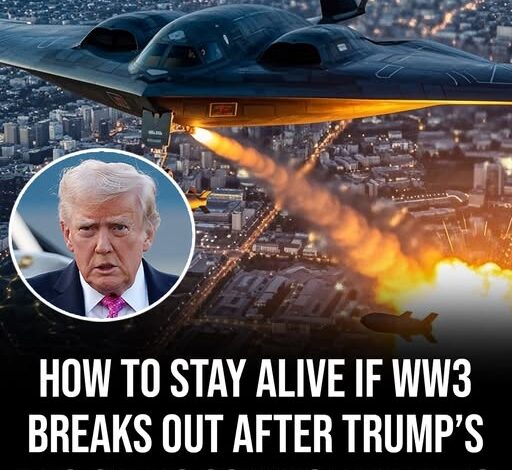
Growing tensions in the Middle East have heightened fears of a broader international conflict after the killing of Iran’s Supreme Leader, Ali Khamenei, during coordinated strikes carried out by the United States and Israel. The attack, part of a larger military campaign against Iranian targets, has triggered retaliation from Tehran and raised concerns about the possibility of a wider regional war.
Escalating Conflict Raises Global Alarm
The strikes on Feb. 28 targeted key leadership and military facilities in Iran. Iranian state media later confirmed Khamenei’s death, which shocked the region and prompted a series of retaliatory missile and drone attacks against U.S. and Israeli interests across the Middle East.
Former U.S. President Donald Trump warned that further military action could follow. In remarks reported by international media, Trump said the conflict may escalate further, adding that “the big wave hasn’t even happened.”
The growing confrontation has drawn in multiple regional actors and comes amid other ongoing global tensions, including the war between Russia and Ukraine and rising geopolitical friction between China and Taiwan.
Some analysts have warned that the combination of these crises could destabilize international security. Russian political theorist Aleksandr Dugin has even claimed that “World War III has already begun,” though many experts say such statements reflect political rhetoric rather than a confirmed global conflict.
Governments Urge Emergency Preparedness
Even though a global war remains uncertain, authorities in Europe and North America are encouraging citizens to review basic emergency preparedness measures.
The European Union has promoted a “72-hour self-sufficiency” plan that encourages households to prepare supplies in case of major disruptions. EU Crisis Management Commissioner Hadja Lahbib has advised residents to keep essential items ready at home.
Recommended emergency supplies include:
- Bottled water and non-perishable food
- Important documents stored in waterproof containers
- Flashlights and spare batteries
- Basic medications and first-aid supplies
- Cash and identification
- Multi-tools or survival knives
- Items for comfort and morale such as cards or small games
“Ready for anything must become our new European way of life,” Lahbib said when promoting preparedness efforts.
Lessons From Nordic Countries
Several Nordic countries have already distributed detailed survival guides to their citizens. Governments in Sweden, Finland, and Norway have issued pamphlets advising people to store food and water, locate nearby shelters, and learn how to respond during emergencies such as missile or nuclear attacks.
The Swedish guide recommends sealing doors and windows with tape to block radioactive dust and filling bathtubs with water supplies in the event of a crisis.
Experts also emphasize that staying informed is critical. Emergency officials recommend keeping a battery-powered or hand-crank radio so people can receive updates if electricity or internet services fail.
Preparing Without Panic
Survival specialists say preparation is about improving resilience rather than expecting catastrophe. Standard advice includes maintaining water supplies, non-perishable food, first-aid kits, warm clothing, and reliable communication devices.
While the likelihood of a global conflict remains uncertain, experts say basic preparedness can help households respond to a wide range of emergencies—from natural disasters to cyberattacks or military crises.
As one preparedness expert summarized: being ready is not about expecting the worst, but ensuring that families can cope if the unexpected happens.