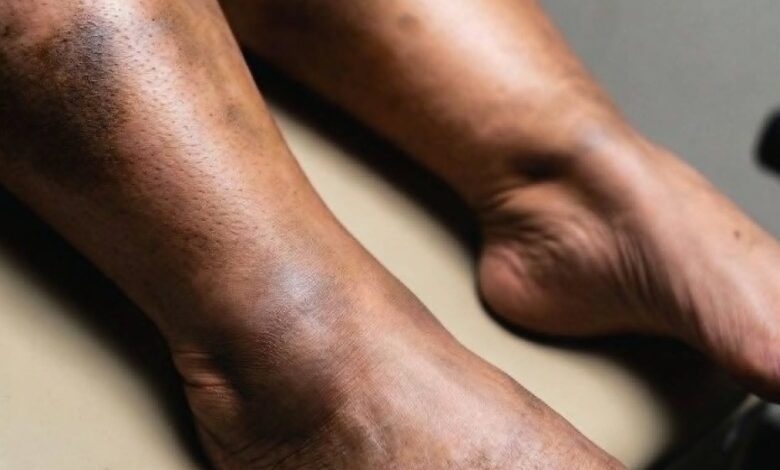
Elephantiasis is a severe, long-term condition that can cause progressive and often disabling swelling of the limbs or other parts of the body due to damage to the lymphatic system, usually from parasitic infection.
In advanced cases, the condition develops gradually, often over years. Early symptoms may be subtle, but as lymph fluid accumulates, swelling can become persistent and severe. The skin may thicken and harden over time, and mobility can become increasingly difficult, sometimes affecting a person’s ability to work or carry out daily activities independently.
Beyond the physical effects, the condition is frequently accompanied by significant social and psychological challenges. Visible symptoms can lead to stigma, isolation, and discrimination, which in turn can discourage individuals from seeking timely treatment or support. These social burdens often compound the medical difficulties, affecting mental health and quality of life.
Treatment focuses on both managing the underlying infection and reducing symptoms. This can include antiparasitic medications in areas where infection is active, along with meticulous skin care, hygiene practices, compression therapy, and in some cases surgery to reduce extreme swelling.
Public health efforts have also played a major role in reducing new cases in many regions through mass drug administration programs aimed at interrupting transmission of the parasite. Equally important are community-based interventions that address stigma and support rehabilitation, helping affected individuals maintain mobility, independence, and dignity.
While the condition can be life-altering, outcomes improve significantly when medical care and social support are combined early and consistently.