Mortician Goes Viral After Explaining Why a Tongue May Be Removed During Certain Autopsies

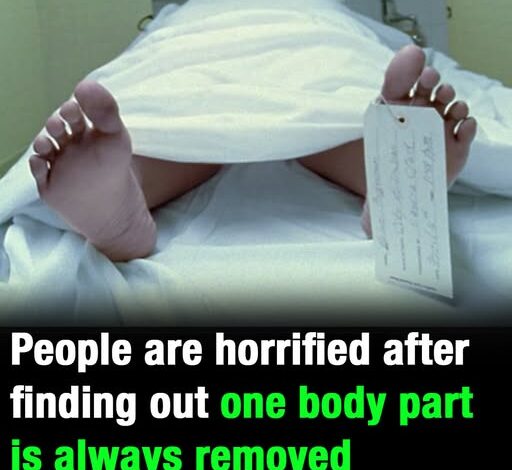
A mortician has sparked widespread reaction online after explaining that, in some forensic autopsies, the tongue may be removed as part of the post-mortem examination process.
Gerald Ledford, who has worked in the funeral industry for nearly two decades, regularly shares educational content about forensic and mortuary practices with his social media audience. In a recent video, he addressed a viewer question about body piercings and post-death procedures, which led to discussion about autopsies.
An autopsy is a medical examination of a deceased person performed to determine the cause of death, assess disease, or evaluate medical conditions or treatment effects. According to medical references such as MedicineNet, the process can involve detailed internal examination depending on the circumstances of the case.
In his explanation, Ledford noted that the tongue may be removed in certain cases during a forensic autopsy to allow pathologists to fully examine the throat and surrounding structures. This can help investigators identify injuries, obstructions, or other findings relevant to determining the cause of death.
However, medical sources emphasize that tongue removal is not a routine or standard part of every autopsy. Instead, it is performed selectively when required by the investigation or when deeper examination of the oral and neck structures is necessary.
The discussion quickly went viral on social media, with many users expressing surprise at the level of detail involved in forensic examinations. Others noted that autopsy procedures vary widely depending on legal, medical, and investigative needs.
Experts in pathology stress that autopsies are highly controlled medical procedures designed to provide clarity in unexplained or suspicious deaths, and that most families will never encounter the more invasive aspects of the process.
The viral moment has since prompted broader public conversation about what actually happens during autopsies — and how little many people know about post-mortem medical procedure..