
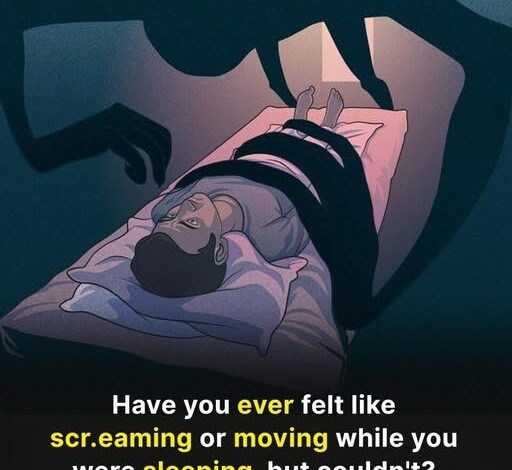
Sleep Paralysis is a temporary but often frightening experience that happens when a person wakes up mentally while their body remains briefly stuck in a sleep-related state of paralysis. During an episode, someone may be fully aware of their surroundings yet unable to move, speak, or react physically for several seconds or minutes. Although it can feel intense, medical experts generally consider sleep paralysis harmless in most cases.
The condition is closely connected to REM (rapid eye movement) sleep, the stage where vivid dreaming occurs. Normally, the brain temporarily limits muscle movement during REM sleep to prevent people from physically acting out dreams. Sleep paralysis can happen when the brain wakes up before the body fully exits this stage, creating a mismatch between awareness and physical control. Episodes most commonly occur either while falling asleep or while waking up.
Many people who experience sleep paralysis report symptoms such as chest pressure, difficulty speaking, vivid hallucinations, or the sensation that someone is present in the room. Experts believe these dream-like experiences occur because parts of the brain associated with dreaming may still be active while consciousness returns. Stress, sleep deprivation, anxiety, irregular sleep schedules, and certain sleep disorders have all been linked to an increased likelihood of episodes.
Although there is no guaranteed way to prevent sleep paralysis entirely, sleep specialists say healthy sleep habits can significantly reduce its frequency. Maintaining a consistent sleep schedule, getting enough rest, managing stress levels, and avoiding severe sleep deprivation are among the most commonly recommended strategies. For people who experience frequent or severe episodes, medical professionals advise seeking evaluation to rule out underlying sleep disorders or related conditions.


