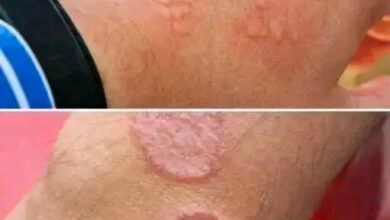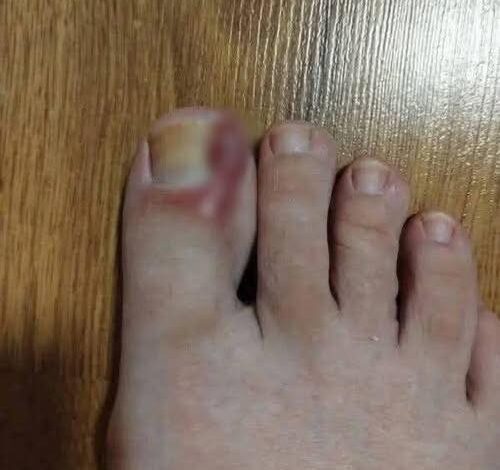
An ingrown toenail occurs when the edge of the nail grows into the surrounding skin, often leading to pain, redness, and swelling. If left untreated, the condition can worsen and potentially develop into an infection.
Medical experts say common causes include wearing tight shoes, improper nail trimming (cutting nails too short or rounding the edges), toe injuries, naturally curved nails, and poor foot hygiene. Early symptoms often include tenderness along the nail edge, warmth, and increasing discomfort when walking or wearing closed footwear. In more advanced cases, the presence of pus or drainage may indicate infection.
For mild cases, at-home care may help reduce discomfort. Recommended measures include soaking the foot in warm water (sometimes with Epsom salt), gently lifting the nail edge with clean cotton or dental floss, applying antibacterial ointment, and wearing loose or open-toed shoes to reduce pressure. Some people also use soothing agents such as diluted tea tree oil or aloe vera, though these are considered supportive rather than definitive treatments.
However, healthcare professionals advise seeking medical attention if pain worsens, redness spreads, or signs of infection appear. Individuals with diabetes, poor circulation, or weakened immune systems are especially encouraged to see a doctor early, as complications can develop more quickly and require professional treatment.