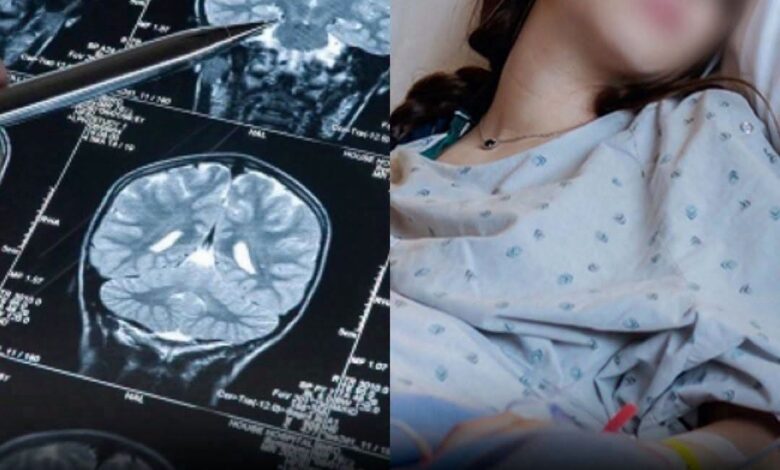
A stroke can change a life within minutes, making early recognition and rapid response critical to reducing long-term damage.
While often associated with older adults, strokes are increasingly seen in younger people as well, particularly when risk factors such as high blood pressure, diabetes, smoking, heavy alcohol use, obesity, or pregnancy-related complications are present.
A stroke occurs when blood flow to part of the brain is blocked or when a blood vessel bursts. In both cases, brain cells are deprived of oxygen, and the longer treatment is delayed, the higher the risk of permanent effects on speech, movement, vision, memory, and independence.
Common warning signs include sudden numbness or weakness on one side of the body, difficulty speaking or understanding speech, severe or unusual headache, blurred vision, confusion, or trouble walking and maintaining balance. These symptoms often appear abruptly and should be treated as a medical emergency.
Health experts stress that symptoms should never be ignored or observed at home. Immediate action—typically calling emergency services—can significantly improve outcomes by allowing medical professionals to begin treatment as quickly as possible.