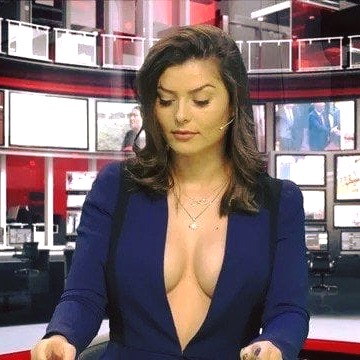
In the highly competitive world of television news, standing out can be difficult. But in 2016, Albanian station Zjarr TV drew global attention after introducing an unconventional on-air format that continues to spark debate.
The network featured female news anchors wearing open jackets without traditional undergarments while delivering daily broadcasts. The presentation quickly went viral, igniting conversations about media ethics, workplace equality, and gender representation in journalism.
A Strategy to Boost Ratings
At the time, Albania’s media landscape was crowded and politically complex. Station owner Ismet Drishti described the concept as a symbol of transparency, referring to it as delivering “bare information.” According to Drishti, the visual approach was meant to signal openness in a media environment some critics viewed as influenced by political interests.
The strategy undeniably increased visibility. Clips spread rapidly across social media platforms, and the station experienced a spike in public attention during the period the format aired.
Albania’s Cultural Context
Albania has a modern history shaped in part by decades of communist rule under Enver Hoxha from 1944 to 1985, a period marked by strict censorship and limited press freedom.
Some supporters framed the station’s bold programming as symbolic of a break from that restrictive past. Critics, however, argued that the tactic risked reinforcing objectification rather than strengthening journalistic credibility.
The controversy reflected broader global discussions about professionalism in broadcasting, gender dynamics in media workplaces, and the balance between presentation and substance.
Rising Fame for On-Air Personalities
One of the station’s most widely recognized presenters was Enki Bracaj, who gained international attention while hosting an international news segment. At the time, she stated that the format helped her stand out in a competitive industry and that she had discussed the decision with her family beforehand.
Her tenure, however, was brief. Reports indicated she departed following disagreements that reportedly involved outside modeling opportunities, underscoring the complicated relationship between media exposure and personal branding.
She was later replaced by Greta Hoxhaj, an experienced broadcaster who adopted a similar on-screen style while maintaining that it differed from her everyday appearance.
Media Standards vs. Viewer Choice
Reaction locally and internationally was sharply divided:
- Some argued appearance should never overshadow journalistic integrity.
- Others maintained that audiences ultimately decide what succeeds — and viewers can simply change the channel.
- Media professionals questioned whether attention-grabbing tactics solve deeper structural challenges in journalism or merely generate short-term engagement.
The episode highlights a larger tension in modern broadcasting: how to balance viewer engagement, advertising pressures, and professional standards in a digital era driven by viral content.
The Ongoing Debate
Years later, the story continues to resurface in conversations about:
- Gender equality in media
- Ethical journalism standards
- Monetization strategies in television
- The impact of viral marketing on news credibility
Supporters view the experiment as bold branding in a crowded market. Critics argue that long-term trust depends far more on reporting quality than presentation style.
As media continues to evolve, the question remains: Where should broadcasters draw the line between innovation and professionalism?