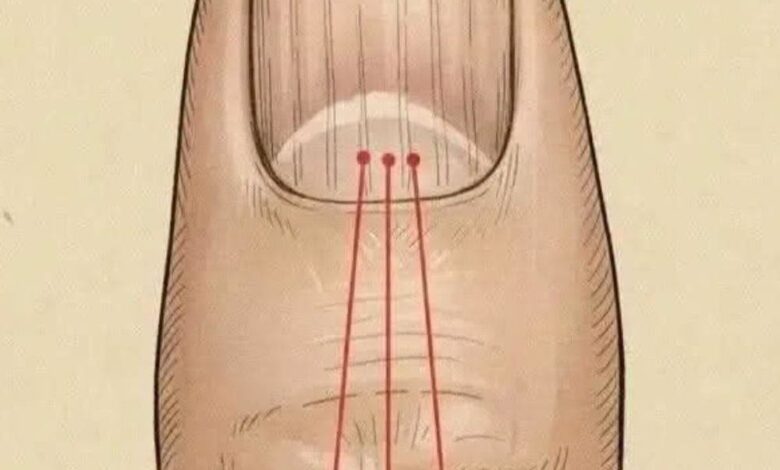
If you’ve noticed thin vertical lines running from the base of your fingernails to the tips, you’re not alone. These lines, known as vertical or longitudinal nail ridges, often become more visible as people get older, particularly after the age of 40. While they can be surprising to spot for the first time, they are usually a normal part of the aging process and are generally not a cause for concern.
Fingernails are made primarily of keratin, the same protein found in hair and skin. This protein is produced in the nail matrix, located beneath the cuticle. As the body ages, keratin production can gradually become less consistent, leading to the formation of subtle ridges that extend the length of the nail. Much like wrinkles or changes in hair texture, these ridges are considered a common age-related change.
Dryness can also make nail ridges appear more pronounced. Over time, nails tend to retain less moisture, and everyday activities such as frequent handwashing, exposure to cleaning products, and the use of harsh soaps can strip away natural oils. As a result, the nail surface may become drier and the ridges more noticeable.
In most cases, vertical nail ridges are harmless and require no treatment. Keeping nails and cuticles moisturized, wearing gloves when handling cleaning products, and maintaining good nail care habits can help improve their appearance. However, if ridges appear suddenly, are accompanied by discoloration, nail splitting, or other significant changes, it may be worth consulting a healthcare professional to rule out an underlying health condition.